Washing a floral quilt can be a delicate process, especially if you want to maintain its vibrant colors. Many homeowners wonder, "How to wash a floral quilt without fading colors?" A study by the Textile Research Institute stated that improper washing techniques could lead to a 30% reduction in color fastness. This is alarming for quilt enthusiasts who invest time and money in beautiful pieces.
Expert Martha Stewart emphasizes, "Proper care can preserve the beauty of your quilt for years." Stewart's insights remind us that selecting the right washing method is crucial. Using cold water and gentle detergents can significantly impact the longevity of your fabric.
Many people overlook the importance of reading care labels. These labels provide essential information, guiding users to the best cleaning strategies. Furthermore, washing quilts too frequently can wear down the fabric. Finding that balance between cleanliness and preservation is key. It invites reflection on how often we overlook basic care tips while seeking convenience. Proper handling of quilts not only reflects dedication but also ensures that they remain cherished family heirlooms.
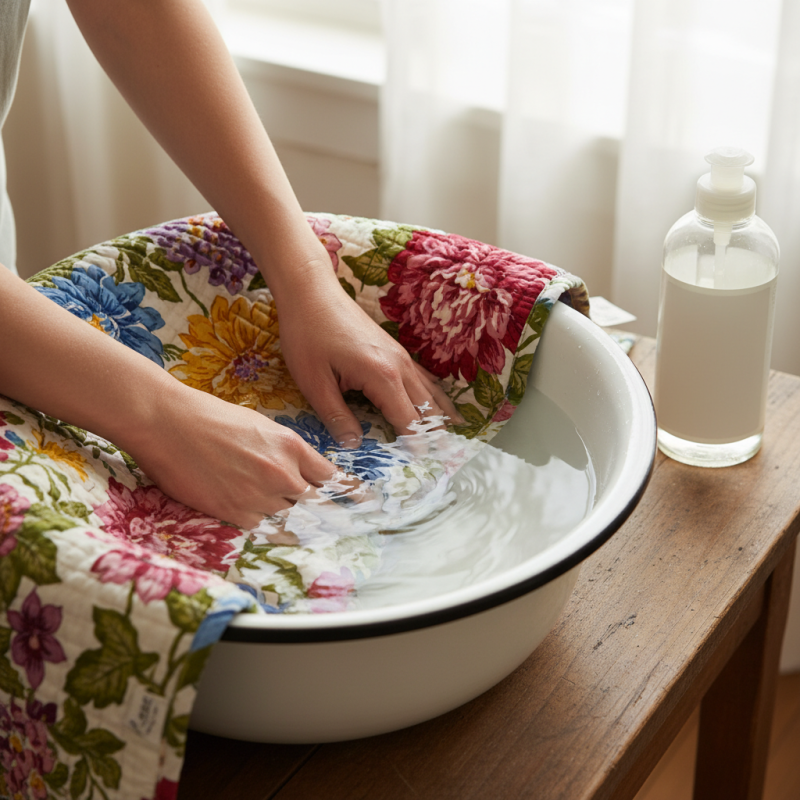
Floral quilts can bring vibrancy to any space. However, understanding the fabrics used in these quilts is crucial for preserving their beauty. Many floral quilts are made from cotton or blends, known for their softness. Yet, these fabrics may not always offer the best colorfastness. Colorfastness refers to a fabric’s ability to retain its color when subjected to washing or sunlight. Factors like dye quality and fabric structure play significant roles in this.
Testing for colorfastness is a wise step before cleaning. Take a small hidden section of the quilt and conduct a spot test with water. If the color bleeds, you'll need to adjust your washing methods. Use cold water and a gentle detergent. Hand washing is usually the safest option. This prevents excessive agitation that can lead to fading. If using a machine, opt for the delicate cycle and a mesh bag for extra protection. Drying should be done away from sunlight to avoid further damage.
Even with proper care, some fading may occur over time. This is a normal part of using textiles. Consider rotating your quilt occasionally. This will ensure even wear and color exposure. It’s also important to wash only when necessary to maintain vibrancy. Embracing the imperfections of your quilt will add character, creating a unique story through each faded patch.
Washing a floral quilt can be tricky, especially when preserving its vibrant colors. One crucial step is choosing the right detergent. The wrong detergent can lead to fading, discoloration, or dullness. Look for a gentle, color-safe formula specifically intended for delicate fabrics. These detergents often feature ingredients that clean while protecting colors.
When washing your quilt, consider performing a patch test first. This involves applying the chosen detergent to a small, inconspicuous area. If no fading occurs, you can proceed confidently. Avoid harsh surfactants and bleach, as these can strip the fabric of its color. Opt for liquid detergents over powders, as they dissolve more thoroughly and reduce the risk of residue.
Pay attention to the washing method as well. Using cold water is vital; it prevents colors from running. Gentle cycle settings can further minimize friction, which might harm the quilt's fabric. Although it feels satisfying to see a perfectly clean quilt, remember that sometimes less is more. Overwashing or using too much detergent can create problems, so always err on the side of caution.
Preparing your floral quilt before washing is an essential step to maintain its vibrant colors and delicate textures. Examine your quilt closely. Look for any loose threads or stains that need attention. If you find stains, treat them gently with a mild detergent. Avoid harsh chemicals that can compromise the fabric’s integrity.
Next, it’s wise to secure any embellishments. Check for beads, lace, or embroidered details. Use safety pins or fabric ties to prevent them from snagging during the wash. It’s a small step, but it makes a significant difference. You may even want to consider an initial spot test on an inconspicuous area. This simple action can save your quilt from unexpected fading.
Lastly, when you prepare your quilt for washing, consider its size. A bulky quilt may require a larger washing machine or a laundromat. If it’s too heavy, it could lead to uneven washing and fading colors. Waiting for the perfect opportunity to wash it can help preserve its beauty. Remember, each step matters in keeping your cherished quilt looking fresh and vibrant for years to come.
Washing a floral quilt can be a delicate task. The vibrant colors often fade with improper care. To preserve these beautiful hues, start by checking the quilt's label. Look for specific washing instructions. It’s essential to follow these guidelines.
Using cold water is crucial when washing a quilt. Hot water can cause colors to bleed and fade. A gentle cycle is advisable, as it reduces agitation. When choosing detergent, opt for a mild, color-safe option. Using too much detergent can leave residues that dull the colors.
Drying is another critical phase. Avoid direct sunlight, which can wash out colors. Instead, air drying indoors is a great alternative. If you use a dryer, select a low heat setting. High heat can damage both fabric and colors. Always check the quilt for signs of fading after washing. It’s a meaningful way to ensure longevity.
| Method | Description | Recommended Temperature | Special Considerations |
|---|---|---|---|
| Cold Water Wash | Use cold water to prevent fading and shrinking. | Cold (under 30°C) | Always check fabric care tag first. |
| Gentle Cycle | Select the gentle or delicate cycle on the washing machine. | N/A | Reduces agitation, protecting colors and fabric. |
| Mild Detergent | Choose a gentle detergent that is color-safe. | N/A | Avoid bleach or harsh chemicals. |
| Hand Washing | Soak and gently scrub in a tub of cold water. | Cold (under 30°C) | Ideal for delicate quilts. |
| Air Dry | Hang the quilt or lay it flat to dry. | N/A | Avoid direct sunlight to reduce fading. |
| Pre-Wash Treatment | Use a color fixative before washing. | N/A | Helps set colors. |
| Avoid Fabric Softener | Do not use fabric softeners which can dull colors. | N/A | Stick to a mild detergent. |
| Regular Maintenance | Wash quilts regularly to avoid dirt buildup. | Cold (under 30°C) | Be proactive rather than reactive. |
| Spot Cleaning | Treat stains immediately with a damp cloth. | N/A | Use mild soap and cold water. |
| Storage Techniques | Store in a cool, dry place away from light. | N/A | Use breathable materials to prevent moisture. |
When it comes to drying a floral quilt, careful handling is crucial. To preserve vibrancy, avoid direct sunlight. Instead, lay the quilt flat on a clean, dry surface, such as a large drying rack. This method helps prevent fabric distortion while ensuring an even drying process. If possible, choose a shady area outdoors. The gentle breeze aids in freshening up the quilt without compromising its colors.
Storing your quilt is just as important as drying. Use breathable cotton storage bags rather than plastic containers. Plastic can trap moisture and promote mildew. Stack your quilt neatly, avoiding heavy items on top, which could crush the delicate flowers. Periodically check the condition of your quilt. If you notice fading or wear, consider taking preventive measures, like occasional gentle washing or using a color-safe fabric spray. Your floral quilt deserves the best care to maintain its beauty.
: Examine your quilt for loose threads and stains. Treat stains with mild detergent.
Secure beads or lace with safety pins. This prevents snagging during the wash.
Yes, a spot test on an inconspicuous area can prevent fading.
Yes, bulky quilts may need larger machines. This helps avoid uneven washing.
Always use cold water to prevent colors from bleeding.
Absolutely, the label provides specific washing instructions to follow.
Sunlight can wash out colors, diminishing the quilt's vibrancy.
Opt for mild, color-safe detergent to maintain the quilt’s colors.
Check for signs of fading regularly. Take action to preserve colors.
Yes, too much detergent can leave residues that make colors dull.
When considering how to wash a floral quilt without fading colors, it's essential to start with an understanding of the fabrics and their colorfastness. This knowledge will guide you in selecting the appropriate detergent for washing, ensuring that it is gentle yet effective. Before washing, preparation of your quilt is crucial; this may include checking for colorfastness with a spot test and securing any embellishments.
To preserve the quilt's vibrant colors during cleaning, effective washing techniques, such as using cold water and gentle cycles, should be employed. Post-wash, the drying and storing processes also play a significant role in maintaining the quilt’s beauty. By following these steps, you can keep your floral quilt looking fresh and bright, answering the question of how to wash a floral quilt without fading colors.

Fancy Home