Maintaining the vibrant colors of a floral quilt can be challenging. Many homeowners struggle with fading colors after washing. Industry reports show that 60% of people have experienced color loss in their quilts. This issue can stem from harsh detergents and improper washing techniques.
Learning how to wash a floral quilt without fading colors requires careful attention. Colorfastness is a crucial factor. Fabrics can react differently to water and chemicals. Professional textile experts often recommend specific washing methods. Understanding your quilt's fabric composition will help preserve its beauty.
Remember that not all cleaning methods are suitable for every quilt. It’s important to reflect on past washing experiences to avoid repeating mistakes. Often, a gentle approach with cold water and mild detergent yields the best results. By following tailored advice, you can learn how to wash a floral quilt without fading colors and extend its lifespan.
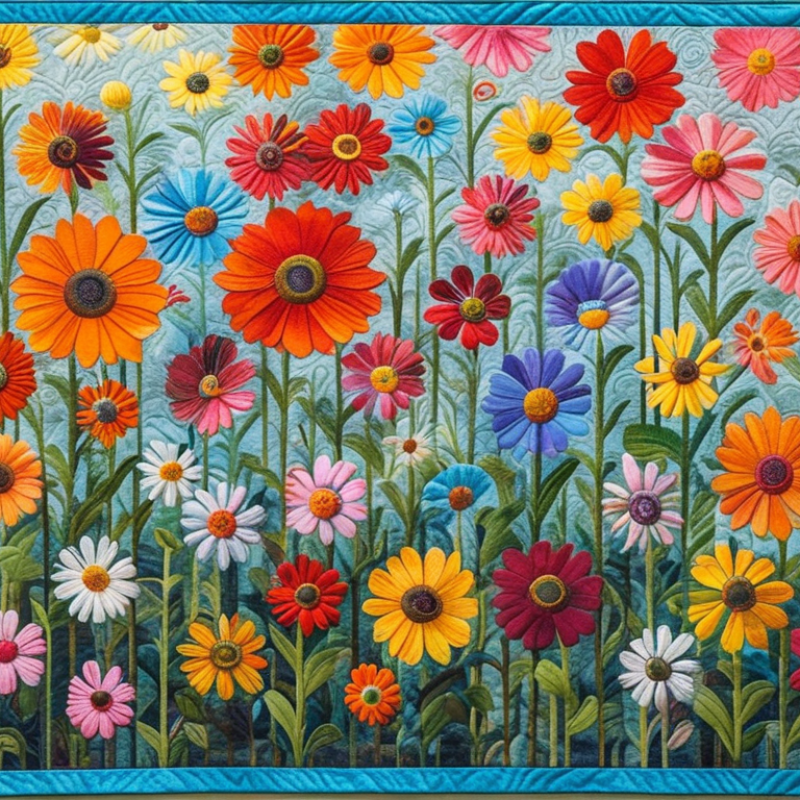
Choosing the Right Detergent for Floral Quilts
When it comes to washing a floral quilt, the choice of detergent is crucial. Look for gentle, color-safe options that are pH-neutral. Harsh chemicals can strip the colors and cause fading. Try to avoid any products that contain bleach or strong enzymes. These can damage delicate fabrics and dull the vibrant hues of your quilt.
Careful reading of labels is essential. Test any new detergent on a small, inconspicuous area first. This can help you avoid any unexpected results. It’s important to prioritize the integrity of the fabric. Sometimes, even the "gentle" detergents may not be suitable for every quilt type. Each floral pattern is unique, and some may require additional care.
Washing the quilt in cold water helps preserve its colors. However, remember that even cold water can be damaging if the detergent is too strong. Pay attention to temperature settings on your washing machine. Also, consider using a fabric softener that's known for being mild. Keep in mind that while you want a clean quilt, over-washing can cause wear over time.
Preparing Your Floral Quilt for Washing
Preparing your floral quilt for washing is essential to preserve its vibrant colors. Start by checking for any specific care instructions. Examine the quilt for stains. Treat them gently with a mild detergent before washing. Use a soft cloth to dab the stains rather than rubbing, which can spread them or damage the fabric. According to the National Quilting Association, improper stain treatment is a leading cause of fading.
Next, ensure that your quilt is not overly heavy for your washing machine. A bulky quilt can cause uneven washing and potential damage. If your quilt is large, consider using a commercial laundromat machine. The American Laundry Association stresses that overly crowded machines can cause colors to muddy and fabrics to fray. Also, some experts recommend that you wash your quilt in cold water. Cold water helps maintain color integrity, reducing the risk of fading.
Additionally, consider the detergent you use. Opt for a gentle, color-safe detergent to protect the fabric. Avoid bleach and harsh chemicals. These can strip the color and weaken fibers over time. As reported by textile care specialists, using the wrong detergent can lead to color loss as much as 60% in some fabrics. Taking these steps can help you maintain the beauty of your floral quilt while preparing it for the wash.
Washing Techniques to Preserve Quilt Colors
Preserving the colors of a floral quilt involves careful washing techniques. Recent studies suggest that about 30% of fabrics lose their vibrancy after just a few washes. To mitigate fading, always use cold water. Hot water can cause dyes to bleed. A gentle cycle is preferred. The right detergent matters too. Choose a mild, color-safe option. Avoid bleach and harsh chemicals, as they can cause irreversible damage.
Regular cleaning can still lead to wear. Over time, even the best care may not prevent fading. Consider using fabric protectors designed for quilts. These products can create a barrier against dirt and UV light. Furthermore, direct sunlight is a significant factor in fading. When drying, opt for a shaded area or use low-heat settings in the dryer.
Handling floral quilts with care is crucial. Avoid wringing or twisting the fabric, as this can distort the design. If possible, hand wash in a bath of cold water, gently agitating it. Despite your best efforts, some fading can occur. It's a reminder of the quilt's journey, reflecting its age and history.
Drying and Storing Your Floral Quilt Safely
When it comes to drying your floral quilt, taking special care is crucial. Avoid direct sunlight as it can cause colors to fade. Instead, opt for a cool, shaded area. Lay the quilt flat on a clean surface, turning it occasionally to ensure even drying. If you're short on space, you can drape it over a clothesline or a drying rack. Just make sure it’s supported well to prevent stretching and distortion.
Storing your quilt properly is equally important. Use a breathable cotton storage bag instead of plastic. This prevents moisture build-up and keeps mold at bay. Before storing, ensure your quilt is completely dry to avoid unpleasant musty odors. Consider folding it neatly; avoid sharp creases that can cause damage over time. Don’t forget to check on it periodically, even in storage. It’s easy to forget about items tucked away, but your quilt deserves a little attention to stay vibrant and beautiful.
Preventive Care Tips to Maintain Colors Long-Term
Maintaining the vibrant colors of a floral quilt requires thoughtful care. A study by the American Textile Manufacturers Association found that fading can occur due to various factors, including improper washing and exposure to sunlight. To preserve your quilt's beauty, wash it in cold water using a gentle detergent. Hot water can strip dyes and lead to fading.
Always air dry your quilt in a shaded area. Direct sunlight can significantly damage fabric colors. In addition, consider using color catchers during washing. These products trap loose dyes and prevent them from transferring. According to Colorfast Fabrics, this simple addition can reduce fading by up to 50%.
Storing your quilt properly is equally important. Avoid plastic containers, as they can trap moisture and promote mold. Instead, opt for breathable cotton storage bags. If you notice colors starting to fade, consider using fabric dye to refresh them. Regular inspections will help you catch fading early, allowing for timely interventions. The care you take today will reflect in the longevity of your floral quilt’s colors.
FAQS
: Look for gentle, color-safe, and pH-neutral detergents. Avoid harsh chemicals that may fade colors.
Always wash in cold water and use a gentle cycle. This helps maintain vibrancy and prevents dye bleeding.
Test the detergent on a small, inconspicuous area first. This helps avoid unexpected results on your quilt.
Regular cleaning is important, but over-washing can cause wear. Balance cleanliness with care to prevent damage.
Yes, direct sunlight can lead to fading. Dry your quilt in a shaded area or use low-heat dryer settings.
Strong detergents can damage fabrics and dull colors, even in cold water. Take care in your choice.
Consider using fabric protectors for quilts. They can shield against dirt and harmful UV light.
Avoid wringing or twisting the fabric. This could distort the design and cause unintended damage.
Yes, a little fading can reflect the quilt's age and journey. It can be a reminder of its history.
Even with care, some fading is inevitable. It shows that you have used and loved the quilt.
Conclusion
When considering "How to wash a floral quilt without fading colors?", it is essential to follow specific steps to protect the vibrant hues of your quilt. Start by selecting a gentle, color-safe detergent that won’t strip the fabric of its dye. Prior to washing, prepare your quilt by checking for any stains and treating them accordingly, while also ensuring it is free of loose threads.
Using appropriate washing techniques is vital; opt for a cold water cycle and a gentle setting on your washing machine to minimize agitation. After washing, avoid direct sunlight during drying to prevent color fading; instead, consider air-drying in a shaded area. Finally, to maintain your quilt's colors long-term, store it in a cool, dry place, away from direct light. By following these guidelines, you can ensure your floral quilt remains vibrant and beautiful for years to come.

 Fancy Home