Top 10 Bedding Colors for Small Dark Rooms?

Time:2026-11-27 Author:Charlotte
0%

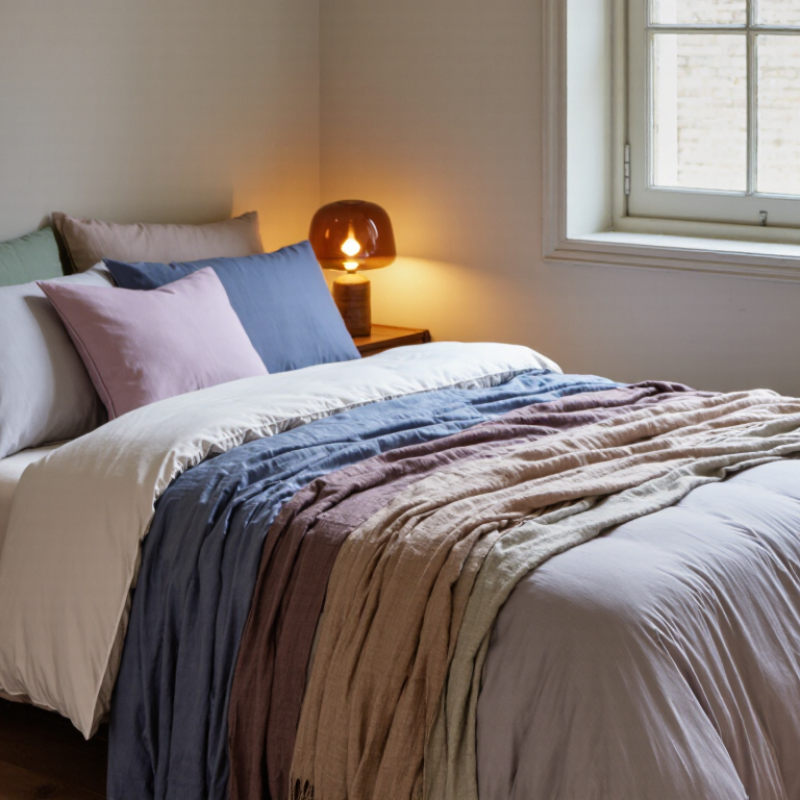
Choosing bedding for a small, dim bedroom is less about chasing “bright” colors and more about how fabric responds to limited light. A soft ivory duvet can lift the bed; a dusty blue or muted sage can add color without creating a hard visual block. But the same shade may look cool beside a north-facing window and warmer under an amber bedside lamp. Small differences matter.

A useful technical reference is Benjamin Moore’s Light Reflectance Value guidance: LRV runs from 0, which absorbs light, to 100, which reflects it. That scale describes paint, not bedding, so it cannot predict fabric perfectly. Still, it offers a practical starting point when comparing pale and deep tones. The U.S. Department of Energy also explains that light-colored surfaces reflect more light than dark ones. In a dim room, that makes lighter bedding worth testing—but not automatically the best choice.

How to choose a bedding color for a small dark room? Start with a fabric swatch, then check it beside the window and under your evening lamp. Interior designer Nate Berkus has said, “Your home should tell the story of who you are, and be a collection of what you love.” That is a useful reminder: a room should feel personal, not merely brighter. A little contrast helps. Too much can feel busy. This guide compares ten bedding colors, with attention to undertones, texture, and the light your room actually gets. And yes, one choice may still look wrong at night. That is why testing matters.
Top 10 Bedding Colors for Small Dark Rooms?

How Bedding Color Influences Light and Perceived Room Size

Top 10 Bedding Colors for Small Dark Rooms?

Bedding can change how bright a room feels, but it cannot add daylight. Pale shades reflect more available light than deep colors, making the bed feel less visually heavy. Consider warm white, ivory, pale gray, blush, sage, dusty blue, sand, muted lilac, light taupe, or soft yellow. The effect depends on your walls, floor, and lighting.

Small details matter. A cream duvet against a charcoal wall creates a clear focal point, while matching pale bedding to pale walls can make the room feel more continuous. That may soften the room’s boundaries. Try one solid duvet and a lightly textured throw; a busy, high-contrast print can draw attention and make a compact bed feel crowded. Subtle texture helps. Still, this rule is imperfect: a bright white set may look stark beneath a warm bedside lamp.

Check fabric samples in the room during the day and at night. Window direction, nearby buildings, and bulb color all affect how shades appear. A muted blue that looks airy in a shop may turn gray in a dim bedroom. Notice the shadows, too. Choose the lightest color you genuinely enjoy, then add a darker cushion or folded blanket for contrast. Don’t chase brightness alone. Comfort matters.

Top 10 Bedding Colors for Small, Dark Rooms

Relative luminance of representative color swatches, from highest to lowest

Lighter bedding can reflect more light and help a room feel airier. Values are calculated from each displayed sRGB hex color; they are not laboratory measurements of fabric. Actual brightness and perceived room size also depend on lighting, fabric finish, and surrounding surfaces.

Factors to Consider When Choosing Bedding for a Dark, Small Room

Choosing bedding for a small, dark room starts with the light you actually have, not a color chart. Cream, soft gray, dusty blue, and muted sage can keep the bed from feeling like a solid block. Pure white may look crisp, but beside warm beige walls it can feel stark. Check a fabric swatch beside the wall in morning and evening light. Small detail. Also consider the floor, curtains, and headboard; competing undertones can make a compact room feel busier. A subtle stripe or tiny print usually reads quieter than a large, high-contrast pattern. Still, one deeper accent pillow can add depth without covering the whole bed.

Fabric weight matters too. Heavy, plush layers feel cozy, yet may visually crowd a narrow bed and trap warmth. Lightweight cotton or linen blends often drape neatly; check care labels and how easily they wrinkle. If laundry is frequent, choose colors that tolerate regular washing, since pale sheets can show marks quickly. I would not chase brightness at every cost. A dim room can still use a warm favorite, even if it is not the perfect choice.

Top 10 Bedding Colors for Small, Dark Rooms

In a small, dim bedroom, bedding can brighten the view without changing the room’s actual light. The U.S. Department of Energy’s daylighting guidance explains that pale surfaces reflect more light than dark ones. For fabric, start with warm white, ivory, pale greige, mist gray, and soft sand. Light-reflectance-value (LRV) scales run from 0 for black to 100 for ideal white, a useful architectural color-measurement reference. Bedding has no fixed LRV, though; weave and texture change how bright it looks.

Small change. Still helpful.

For color, try powder blue, muted sage, dusty blush, pale butter yellow, and soft lavender. These shades add character without the visual weight of deep navy or charcoal. Choose matte cotton or linen if glossy fabric feels too stark under a bedside lamp. Keep large areas pale, then use one darker cushion for contrast. The U.S. Department of Energy guidance concerns room surfaces, not bedding, so treat its advice as a starting point—not a tested promise for sheets.

Check swatches beside the window and at night. A gray that looks gentle at noon may turn cold under a warm bulb. I’ve found that very bright white can feel harsh in a room with yellowed walls; it is not always the safest choice. Pale cream or greige may blend better. Avoid judging color from a phone screen alone. The fabric’s undertone, room lighting, and nearby wall color all shift what your eyes perceive.

How to Coordinate Bedding with Walls, Flooring, and Lighting

In a small, dark bedroom, bedding should respond to the room’s fixed colors, not fight them. With cool gray walls, try soft ivory, dusty blue, pale sage, or muted lavender; against warm beige walls, oat, sand, mushroom, blush, or butter yellow can feel more settled. Charcoal works best as a small accent, such as a narrow pillow edge. Ten options, but no magic shade.

Check the floor in daylight and after sunset. A reddish wood floor can make crisp white bedding look stark, while a low-contrast oat duvet may blend too much. Hold fabric samples beside the wall and floor; even a subtle undertone mismatch shows up near a window. I’ve found this test more useful than choosing from a screen. It is not foolproof.

Lighting changes the result. Warm bulbs can make blue-gray bedding look dull, while cooler light may flatten warm cream. The U.S. Department of Energy’s Energy Saver guidance says LEDs use at least 75% less energy and last up to 25 times longer than incandescent lighting; dimmable LEDs also make it easier to adjust the room’s evening mood. Choose bedding in the light you actually use. Then check it again at night.

Ways to Style Bedding to Make a Small, Dark Room Feel Brighter

In a small, dark bedroom, bedding can reflect what little daylight reaches the room. The U.S. Department of Energy’s daylighting guidance recommends light-colored interior surfaces to help distribute daylight. The British Coatings Federation describes Light Reflectance Value on a scale from 0 (black) to 100 (white). Try ivory, oatmeal, pale blue, soft sage, or warm gray on the duvet. Less can feel brighter. Avoid matching every piece exactly; a room can look flat when all its fabrics share one tone.

Layer a pale duvet with crisp sheets and two textured pillowcases. A ribbed throw at the foot adds depth without covering much of the bed. Keep large patterns small and low-contrast, especially where the bed fills most of the view. A narrow stripe or tiny botanical print gives the eye detail without making the room feel busy. Not pure white. In some rooms, it can feel clinical, and I’d test a fabric sample in morning and evening light before buying a full set.

Tips: Put the palest bedding near the window-facing side of the bed, and use one muted accent pillow in dusty rose or blue. Choose matte fabrics if overhead light creates glare. Texture matters. A slightly rumpled linen cover may look more inviting, even if it never stays perfectly smooth.

FAQS

Which bedding colors work well with cool gray walls?

Try ivory, dusty blue, pale sage, or muted lavender. A charcoal pillow edge can add contrast. Keep it subtle.

What bedding suits warm beige walls?

Oat, sand, mushroom, blush, or butter yellow can feel settled. Test the fabric beside the wall before choosing.

How can I check whether bedding matches the floor?

Hold fabric samples beside the floor in daylight and after sunset. Reddish wood can make crisp white look stark. Screens can mislead.

Does lighting change how bedding colors appear?

Yes. Warm bulbs may dull blue-gray fabric, while cooler light can flatten warm cream. Check bedding under your usual evening light.

What colors can make a small, dark bedroom feel brighter?

Pale shades such as ivory, oatmeal, soft sage, and warm gray can reflect available daylight. Less can feel brighter.

Should every bedding piece match exactly?

No. Layer a pale duvet with crisp sheets and textured pillowcases. Matching everything can make the bed look flat.

How can I add detail without making the room feel busy?

Try a narrow stripe, tiny botanical print, or ribbed throw at the foot of the bed. Keep patterns low-contrast.

Is pure white always the best choice for a dark room?

Not always. It can feel clinical or stark, especially beside reddish flooring. Test a small sample first; I sometimes forget this myself.

Which bedding fabrics work well under overhead lighting?

Matte fabrics can reduce glare. A slightly rumpled linen cover adds a relaxed texture, though it may never stay smooth.

Conclusion

Choosing the right bedding can help a small, dark room feel lighter and more spacious. Pale shades reflect available light, while overly deep or busy colors may make the space feel more enclosed. How to choose a bedding color for a small dark room? Consider the room’s natural light, wall and floor colors, existing furnishings, and the mood you want to create. Warm white, ivory, pale gray, soft beige, blush, powder blue, sage, muted lavender, butter yellow, and light taupe are versatile options that can brighten the room without feeling stark.

For a cohesive look, coordinate bedding with the walls and flooring, and use lighting to bring out its undertones. Layering a light-colored duvet with a few subtly contrasting pillows adds depth without visual clutter. Simple patterns, breathable-looking textures, and a tidy bed can also make the room feel more open. A small accent in a richer shade can provide warmth, while keeping most of the bedding light preserves a bright, restful atmosphere.

Charlotte

Charlotte

Charlotte is a seasoned marketing professional with a deep understanding of the company's portfolio and a passion for elevating its presence in the market. With a keen eye for detail and a commitment to excellence, she ensures that our professional blog is regularly updated with insightful articles......