Why Style a Dorm Bed to Look Like a Couch?

Time:2026-09-25 Author:Amelia
0%

A dorm bed often dominates a small room, yet it does not have to feel like a sleeping platform. With a few intentional layers, it can become a compact lounge for reading, video calls, or late-night conversations. The goal is not to disguise the bed completely. Comfort, ventilation, and easy conversion still matter. Before buying anything, check your residence hall’s rules about adhesives, bed risers, fabrics, and blocked exits. A stylish setup should never create a safety problem.

So, How to style a dorm bed to look like a couch? Start with structure. Push the bed against a wall, then place firm pillows upright along the back edge. A supportive bolster can fill the gap and keep the arrangement from sliding. Add one washable cover or a fitted daybed-style blanket. Choose a dense fabric in a calm color, such as charcoal, oat, or muted green. Two smaller pillows create a real backrest, while one textured cushion adds visual depth. Keep the seat surface fairly firm; an overstuffed pile looks inviting but becomes awkward after ten minutes.

In practice, the best results come from restraint. Leave enough room to climb in and out, and avoid covering vents, outlets, or railings. A small side table can hold a lamp and water bottle, making the corner feel purposeful. I once underestimated how quickly pale fabric shows coffee marks, so washable materials are worth the extra thought. The arrangement may not look exactly like a living-room sofa. That is fine. It should feel lived-in, practical, and easy to reset before sleep. This guide explores realistic styling choices, common mistakes, and simple ways to make a dorm bed feel more welcoming without sacrificing function.
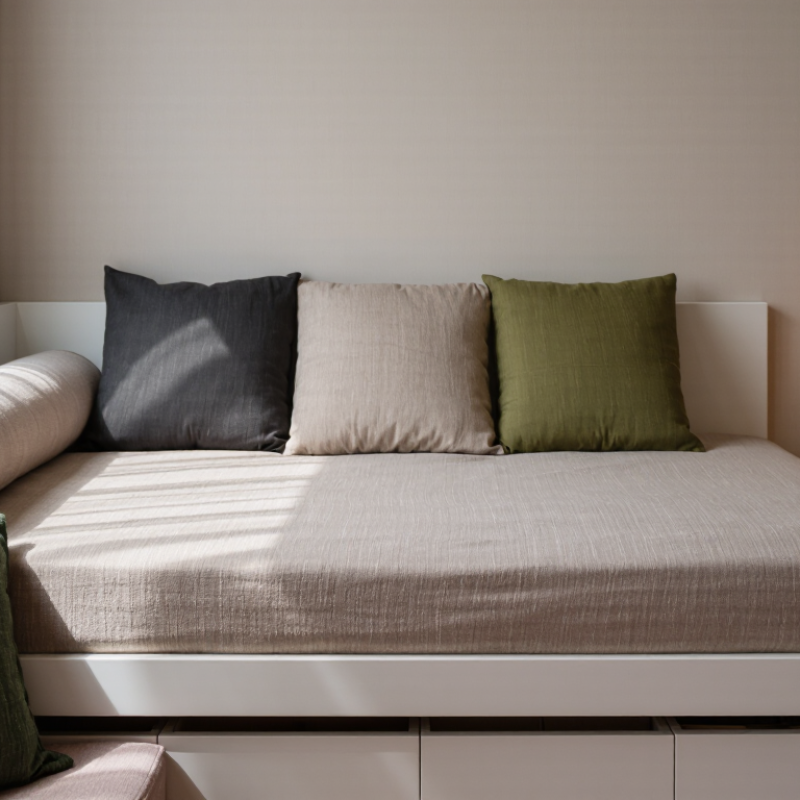
Why Style a Dorm Bed to Look Like a Couch?

Reasons to Style a Dorm Bed Like a Couch

Why Style a Dorm Bed to Look Like a Couch?

A dorm bed can become a daytime seat without consuming extra floor space. This matters in rooms where one surface must support sleeping, studying, and socializing. Add a firm backrest, layered pillows, and a washable throw across the mattress. Keep the arrangement easy to remove each night.

The CDC reports that about 35% of U.S. adults sleep fewer than seven hours, so a decorative setup should never compromise sleep quality.

A couch-style bed also creates a clearer boundary between rest and conversation.

There is a social reason, too. A raised bed with two or three back pillows gives visitors a place to sit without using your desk chair. It can make a narrow room feel more welcoming, especially during late study sessions.

The Fall 2023 American College Health Association survey included more than 55,000 students and examined sleep, stress, and academic wellbeing. Its findings support treating the dorm room as part of a student’s daily health environment. Comfort is functional here, not merely decorative.

Still, the look can become crowded. Too many cushions block movement and collect dust. I would leave one open corner for climbing into bed. That detail is easy to miss.

Test the setup for a week, then adjust the height, firmness, and fabric. A couch-shaped bed should invite conversation, not quietly punish your back.

Assessing the Bed Space and Choosing a Suitable Arrangement

Why Style a Dorm Bed to Look Like a Couch?

Assessing the Bed Space and Choosing a Suitable Arrangement

A couch-style dorm bed can create a clearer living zone, but the mattress still needs careful assessment. Measure the bed frame, mattress thickness, wall length, doorway, and walking clearance. Leave enough space to open drawers and reach electrical outlets safely. A practical target is about 60 centimetres of clear walking space, although smaller rooms may require compromise. I learned this after placing cushions too deeply and blocking a storage box.

Sleep must remain the priority. The American Academy of Sleep Medicine and Sleep Research Society recommend at least seven hours of sleep for healthy adults. The National Sleep Foundation also reports that a clean bedroom matters to 78% of surveyed adults. A crowded bed with loose blankets can undermine both comfort and visual order. Use a firm backrest, washable covers, and a folded throw at the foot. Keep the sleeping surface flat at night. That small change makes the arrangement more flexible.

Test the layout during real routines. Sit with your laptop, stand up, change clothes, and carry a laundry basket through the room. Position the long edge against a wall when possible. Place larger cushions vertically for daytime support, then remove them before sleeping. Avoid placing the bed directly beside a heater or blocking a window. The U.S. Consumer Product Safety Commission advises keeping exits and pathways unobstructed, which also improves everyday usability. My first arrangement looked attractive, but it felt cramped after one hour. Aesthetic success is not practical success.

Building a Stable Backrest and Defining the Sitting Area

Why Style a Dorm Bed to Look Like a Couch?

Building a Stable Backrest and Defining the Sitting Area

A dorm bed can become a useful sitting zone, but appearance should follow structure. The 2023 ACHA-NCHA III survey collected responses from more than 55,000 college students. It found that sleep difficulties remain common, so a decorative setup should not damage nighttime comfort. I keep the mattress fully supported and remove loose cushions before sleeping. Small mistake, large consequence.

For a stable backrest, place firm support behind the bed rather than relying on stacked pillows. A low-profile wedge cushion can reduce sliding, while a tightly fitted cover keeps the surface orderly. Check the wall, bed frame, and floor first. Furniture safety guidance from ANSI/BIFMA emphasizes stability, strength, and repeated-use testing. A practical home version is simple: sit down slowly, shift your weight, and inspect movement at every connection. If the frame rocks, stop.

Defining the sitting area makes the room feel intentional. Position a washable throw across the seat, add one firm lumbar cushion, and place a small side table within reach. Leave a clear walking path of about 30 inches, consistent with common residential planning guidance from the National Kitchen and Bath Association. I prefer fewer accessories. Too many make the bed difficult to reset. The imperfect part is inevitable: a dorm room still needs to sleep like a bedroom, not pretend to be a showroom.

Layering Pillows, Blankets, and Textiles for Comfort

A dorm bed can feel more welcoming when it looks like a small sofa. The trick is layering, not simply adding more pillows. The National Sleep Foundation’s Bedroom Poll found that 78% of respondents considered comfortable bedding important for quality sleep. That finding supports a practical approach: build softness around the body, while keeping the bed easy to use at night.

Start with a fitted sheet, then add a medium-weight blanket across the lower half. Place two firm pillows against the wall, followed by one softer pillow for lounging. A folded quilt can create a visual backrest and protect the wall from scuffs. Texture matters. Combine cotton, woven fabric, and a lightly padded cover instead of using identical materials. The room should feel touchable, not staged.

A 2023 report from the International Sleep Products Association also identifies comfort and support as major bedding priorities for consumers. In a dorm, that means choosing layers that can be removed quickly. Avoid excessive thickness near the head, especially if the bed doubles as a study seat.

I once used too many cushions and lost half the sitting space. It looked impressive. It worked badly.

Washable covers, breathable fabrics, and a small throw make daily maintenance easier. Leave one layer imperfect. That softness often feels more lived-in.

Balancing Practicality, Safety, and Dorm Room Style

A dorm bed can work as a daytime sofa without losing its main purpose: comfortable, safe sleep. Push it against a wall if the room layout allows, then add a firm back cushion and two supportive pillows. Keep the mattress and frame stable. Check residence-hall rules before changing the bed’s position or adding accessories.

Small details matter. A washable cover protects the bedding from backpacks and snack crumbs, while a folded blanket softens the look. Leave the ladder, guardrails, and walkway clear, especially on lofted beds. Don’t pile cushions where they could fall or make getting in and out awkward. Keep fabric away from heaters and lights that become warm.

The arrangement should suit how the room is actually used, not just look polished in a photo. Test the seat before settling in; a cushion that slides forward gets annoying fast. I’d also leave some bedding visible, even if the result looks less like a living-room couch. That small compromise makes it easier to switch back to sleep mode at night.

FAQS

What should I measure before styling a dorm bed like a couch?

Measure the frame, mattress, wall, doorway, and walking space. Check that drawers and outlets remain reachable.

How much room should I leave for walking?

Aim for about 60 centimetres of clear space when possible. Small rooms may need a compromise.

How can I make the backrest stay in place?

Put firm support behind the bed, such as a low wedge cushion. Sit down and shift your weight to check for movement. If the frame rocks, stop.

Which cushions work best for daytime seating?

Use larger, firm cushions against the wall and one supportive cushion near your lower back. Remove them before bed.

How do I keep the bed comfortable for sleeping?

Keep the mattress flat and fully supported at night. Adults should aim for at least seven hours of sleep. Small change, real difference.

What safety details should I check?

Keep exits, windows, heaters, lights, and walkways clear. On lofted beds, leave ladders and guardrails unobstructed.

How can I keep the setup tidy?

Choose a washable cover for snack crumbs and backpack marks. Fold a blanket at the foot of the bed.

How can I tell if the layout works?

Try sitting with a laptop, standing up, changing clothes, and carrying a laundry basket through the room. Mine looked neat, but felt cramped after an hour. A little reflection helps.

Conclusion

Turning a dorm bed into a couch creates a comfortable place to relax, study, and welcome friends without adding bulky furniture. How to style a dorm bed to look like a couch? Start by measuring the bed and surrounding space, then choose an arrangement that leaves room to move and access essential items. Position the bed against a wall when possible, and use firm, supportive pillows or cushions to create a stable backrest and clearly define the sitting area.

Layer pillows, a soft blanket, and coordinating textiles to make the bed inviting while keeping it easy to convert back for sleeping. Choose materials that are comfortable and simple to maintain, and keep the overall look balanced with the rest of the room. Make sure cushions stay securely in place, avoid blocking walkways or vents, and leave enough space for safe movement. With thoughtful placement and a few practical layers, a dorm bed can feel like a cozy, functional couch.

Amelia

Amelia

Amelia is a seasoned marketing professional with a wealth of expertise in our company’s core offerings. With an unwavering passion for driving growth and innovation, she plays a pivotal role in shaping our marketing strategies and enhancing brand visibility. A key aspect of her responsibilities......