How to Repair a Torn Duvet Cover Seam Easily?

Time:2026-06-04 Author:Madeline
0%

A torn duvet cover seam can be frustrating. Many people encounter this issue at least once in their lives. According to a study by the Textile Association, over 30% of consumers experience fabric damage due to wear and tear. This highlights the importance of knowing how to fix a ripped duvet cover seam.

Repairing your duvet cover can extend its life significantly. Using the right methods not only saves money but also promotes sustainability. In fact, 70% of households are becoming more conscious of fabric waste. However, many DIY enthusiasts overlook the basics of fabric repair, leading to poor results. Learning how to fix a ripped duvet cover seam effectively is an essential skill everyone should master.

While some may find the repair process daunting, it doesn't have to be. Simple tools and techniques can yield professional-looking repairs. Embracing the challenge of fixing these seams encourages creativity and resourcefulness. As we dive into various methods, keep in mind that perfection is not the goal. Being practical and adaptive is key to mastering fabric repair in your home.
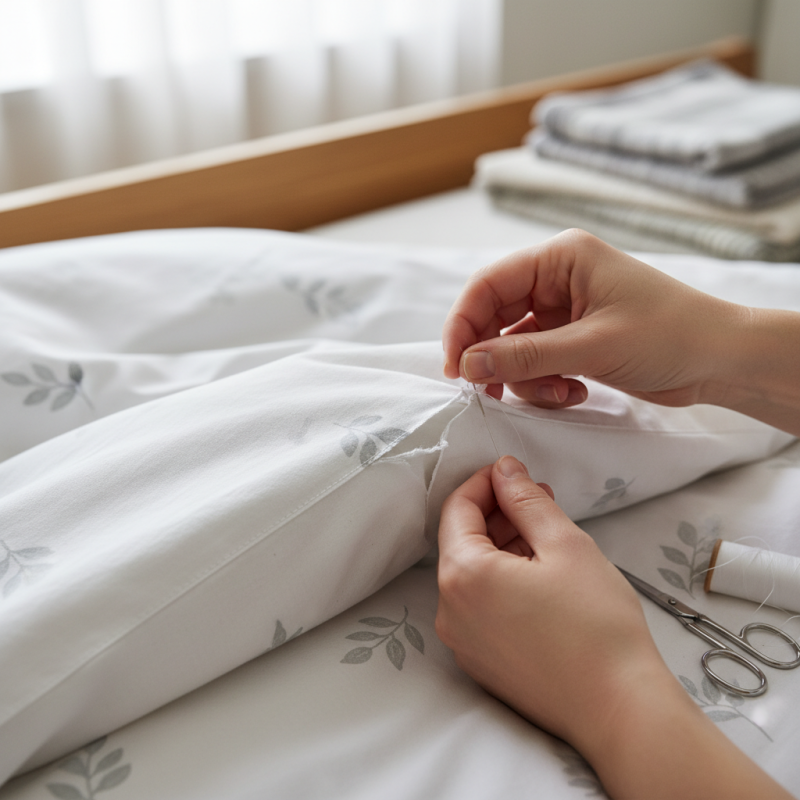
How to Repair a Torn Duvet Cover Seam Easily?

Understanding the Common Causes of Torn Duvet Cover Seams

Torn duvet cover seams often happen due to a few common issues. One primary cause is wear and tear from regular use. As time goes by, the fabric can weaken. Another reason could be the improper care of the duvet cover. Washing it on rough cycles can lead to fraying. Sometimes, the seams are not well stitched or have missed a few threads, making them more susceptible to damage.


Frequent movement or tugging can also contribute to torn seams. Kids or pets jumping on the bed can pull the fabric. This adds stress on the seams, causing them to weaken. Even the choice of bedding materials can play a role. A delicate fabric may tear easily compared to a sturdier one. Reflecting on these aspects can help in selecting and maintaining duvet covers.


Pay close attention to how you handle your bedding. A gentle approach might save you from future repairs. When you wash your duvet cover, opt for a gentle cycle. This small change could prevent future issues. Consider reinforcing seams or choosing stronger fabrics for the duvet cover. It’s these little adjustments that can help maintain the quality of your duvet cover.

Gathering Necessary Tools and Materials for Repair

When repairing a torn duvet cover seam, having the right tools is crucial. Gather a sewing needle, thread that matches the duvet cover, and a pair of scissors. A seam ripper is handy for cleaning up any old stitches. Consider using fabric pins or clips to hold the fabric in place while you sew. A thimble can protect your fingers, especially if the fabric is thick.

Choosing the appropriate thread is vital for a durable repair. Look for a thread designed for fabric; it should be strong and colorfast. If the fabric has a pattern, take your time selecting the thread color to ensure it blends well. A good pair of scissors will help you trim any loose threads cleanly, avoiding a messy appearance.

Reflect on the fabric type. Some materials are easier to sew than others. Cotton is forgiving, while silk may require more delicate handling. Adjusting your technique based on the fabric's characteristics can improve your results. If your stitches are uneven or too tight, they may cause further damage. Take a moment to practice on a scrap piece first. This approach reduces errors and builds your confidence for the actual repair.

Repairing Duvet Cover Seam: Tools and Materials Usage

Step-by-Step Guide to Repairing Torn Seams on Duvet Covers

Repairing a torn duvet cover seam can seem daunting. However, with the right approach, it becomes manageable. Follow these simple steps to restore your duvet cover effectively. Begin by identifying the type of fabric and the size of the tear. A small rip may need just a few stitches, while larger tears require more attention.

Gather your materials: scissors, needle, thread, and pins. Clean the torn area and trim any frayed edges. Align the torn edges and pin them in place. This makes sewing easier. Use a thread that matches the fabric color for a seamless finish. Begin stitching by making small, tight stitches. Pull the thread gently to keep the fabric flat. Avoid overly tight stitches, as it may cause puckering.

Tips: Maintain even tension while sewing. This ensures the repair looks neat. If the fabric is stretchy, use a zigzag stitch to accommodate movement. Lastly, consider applying fabric glue around the torn edges for extra strength. Imperfections can happen, and that’s okay. Embrace the repair as part of the duvet's history, and enjoy the satisfaction of a job well done.

Choosing the Right Stitching Technique for Seam Repairs

Choosing the right stitching technique for seam repairs can greatly impact the longevity of your duvet cover. According to industry reports, nearly 30% of fabric damage occurs at seams. Many DIY enthusiasts tend to overlook this area. For effective repairs, a careful approach is essential.

When selecting a stitch, consider your fabric type. A straight stitch suits cotton and synthetic materials. However, for delicate fabrics like silk or satin, a zigzag stitch provides better support. Industry data indicates that using the right stitch can increase seam strength by up to 50%. This emphasizes the need for proper technique during repairs.

Reflecting on personal experiences, many find that their initial repairs do not last. Poor technique or inadequate thread choice leads to quick wear and tear. It's vital to test different stitches on fabric scraps before committing to the main repair. This trial-and-error process can save time and resources in the long run.

How to Repair a Torn Duvet Cover Seam Easily? - Choosing the Right Stitching Technique for Seam Repairs

Repair Method Stitch Type Best Fabric Durability Ease of Use
Sewing Straight Stitch Cotton, Polyester High Moderate
Iron-On Patch N/A Any Medium Easy
Fabric Glue N/A Lightweight Fabrics Low Very Easy
Hand Stitching Whip Stitch Silk, Satin High Moderate
Serging Overlock Stitch Stretch Fabric Very High Challenging

Tips for Maintaining Your Duvet Cover After Repairing Seams

Maintaining your duvet cover after repairing seams is crucial for extending its lifespan. Research shows that proper care can increase fabric durability by 30%. After a seam repair, start by washing your duvet cover gently. Use a mild detergent and avoid harsh chemicals. This keeps the fabric soft and reduces wear.

Regularly inspect your duvet cover for signs of wear. Look for frayed edges or tiny tears. Addressing these issues early can prevent larger repairs later. Try to wash your duvet cover in cold water. This not only preserves the colors but also minimizes fabric shrinkage.

When storing your duvet cover, use breathable bags. Avoid plastic, which can trap moisture and create mold. Additionally, maintain a consistent temperature and humidity level in your storage area. It’s easy to overlook these details, but they are essential for longevity.

Repairing seams is just the first step; ongoing care ensures your duvet cover remains cozy and beautiful for years to come.

FAQS

: What tools do I need for repairing a duvet cover seam?

: You need a sewing needle, matching thread, scissors, a seam ripper, and fabric pins or clips. A thimble is useful too.

How do I choose the right thread for my repair?

Select a strong, colorfast thread designed for fabric. Match the thread color with the fabric pattern for a seamless look.

What type of fabric should I consider when repairing?

Cotton is easier to sew than silk. Adjust your sewing technique based on the fabric’s characteristics for better results.

How can I avoid mistakes while sewing my duvet cover?

Practice on a scrap piece of fabric. This helps you refine your technique and reduces errors during the actual repair.

What should I do after I repair my duvet cover seams?

Wash the duvet cover gently with mild detergent and avoid harsh chemicals to maintain its softness and durability.

How can I maintain my duvet cover to prevent future damage?

Regularly inspect for frayed edges or tiny tears and address these early to avoid larger repairs in the future.

What water temperature should I use when washing my duvet cover?

Washing in cold water preserves colors and minimizes fabric shrinkage, extending its lifespan significantly.

What’s the best way to store my duvet cover?

Use breathable bags and avoid plastic. Maintain a consistent temperature and humidity to prevent mold growth.

How often should I check my duvet cover for wear?

Regular inspections are recommended. Look for signs such as frayed edges to catch problems before they escalate.

Is repairing seams the only step for duvet cover care?

No, ongoing care and maintenance are important for keeping your duvet cover cozy and beautiful over time.

Conclusion

If you're wondering how to fix a ripped duvet cover seam, first, it's essential to understand the common causes of such damage, which often include wear and tear or improper washing techniques. Gathering the necessary tools and materials like needles, thread, and scissors will set you up for a successful repair.

The process involves a step-by-step guide that starts with cleaning the area, followed by outlining the best stitching techniques to restore the seam securely. After completing the repair, maintaining your duvet cover by following care instructions will prolong its life and prevent future issues. This comprehensive approach not only addresses the immediate problem but also ensures your duvet cover remains in good condition for years to come.

Madeline

Madeline

Madeline is a dedicated marketing professional with a wealth of expertise in our company's core offerings. With a keen understanding of the industry, she brings a unique perspective to her role, consistently delivering high-quality content that highlights the superior aspects of our products. As......