Long-staple cotton plays a crucial role in the global textile industry. Its fibers are longer than regular cotton, allowing for stronger and smoother fabric production. According to a report by Cotton Incorporated, long-staple cotton accounts for around 9% of the world's cotton supply. This highlights its significance for buyers looking to enhance their product offerings.
Dr. Emily Hargrove, a leading textile expert, emphasizes, "What does 'long-staple cotton' actually mean? It's about quality and durability." This reinforces the notion that long-staple cotton is not just a commodity but a preferred choice for high-end fabric. Buyers must understand the implications of sourcing this type of cotton.
In light of increasing demand, challenges remain. Variability in supply chain dynamics makes long-staple cotton sourcing uncertain. Quality assurance and sustainability are also pressing concerns. These complexities invite reflection. Buyers face tough decisions, balancing quality and cost. Understanding what long-staple cotton truly represents is essential for strategic market positioning.
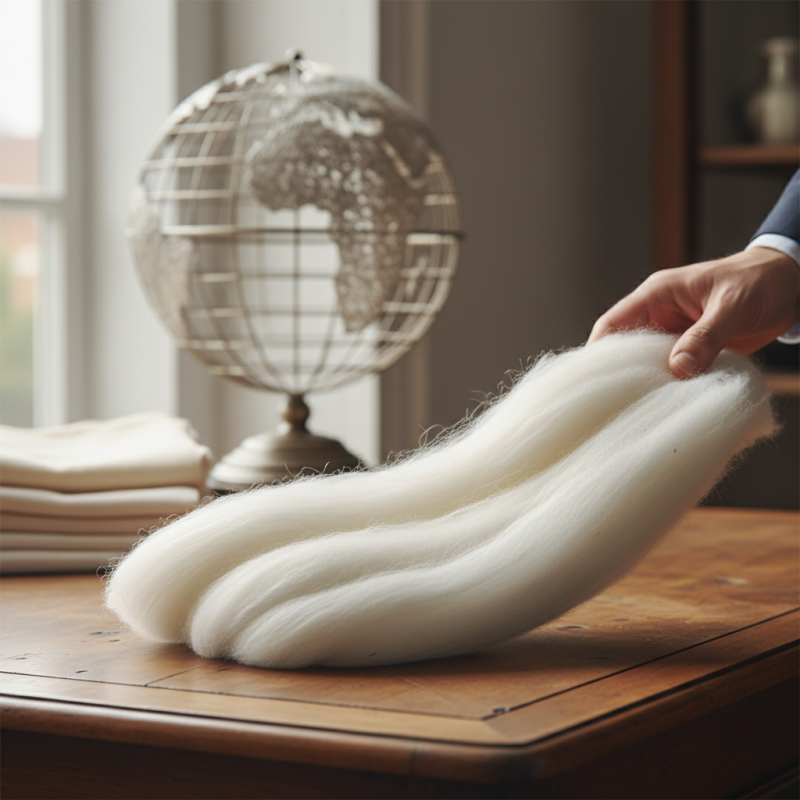
Long-staple cotton refers to cotton fibers that are longer than regular cotton. These fibers measure at least 1.25 inches in length. This length provides unique advantages. Longer fibers yield stronger and smoother fabrics. As a result, garments made from long-staple cotton are often softer and more durable.
Long-staple cotton's unique characteristics include enhanced breathability and moisture-wicking properties. This cotton type allows better airflow, keeping the wearer comfortable in varying temperatures. Additionally, the longer fiber length reduces the likelihood of fraying or tearing. This means that products have a longer lifespan. However, sourcing long-staple cotton can be challenging. Limited regions produce it, often leading to higher prices. Buyers must weigh these factors when making decisions.
Buyers should also consider the environmental impact of long-staple cotton production. Sustainable practices are essential to preserve soil health and water levels. Being mindful of these issues is crucial for a responsible purchase. Long-staple cotton presents significant benefits but also challenges that buyers need to reflect upon. Understanding these complexities enhances decision-making for global buyers.
This chart illustrates the average price per kilogram of long-staple cotton compared to regular cotton over five years. It highlights the unique attributes that make long-staple cotton more valuable in the global market.
Long-staple cotton holds a significant position in the textile industry. Its fibers are longer and finer, contributing to a smoother fabric. This quality leads to better dye retention and enhances durability. Textile manufacturers often prefer long-staple cotton for high-end products. The comfort it offers is unmatched. Buyers focusing on premium textiles usually seek out this cotton type.
In recent years, the demand for long-staple cotton has increased globally. Emerging markets are recognizing its benefits for luxury fabrics. This trend reflects a growing consumer preference for quality over quantity. However, sourcing long-staple cotton presents challenges. Climate change affects yields, and supply can be inconsistent. Buyers must stay informed and adapt their purchasing strategies accordingly.
Not all suppliers meet quality standards. It's vital to assess the origin and processing of cotton. Sustainability is also an issue to consider. Long-staple cotton, while advantageous, comes with complexities. Buyers need robust evaluation methods to ensure reliable quality and sustainable practices. The textile industry's evolution compels global buyers to be proactive and discerning.
Long-staple cotton has emerged as a key player in the global textile market. This type of cotton is known for its superior strength and softness. Demand for long-staple cotton has steadily increased, with reports indicating a 15% rise in global imports over the last three years, driven by the need for high-quality fabrics. However, several sourcing challenges threaten this growth.
Supply chain disruptions pose a significant hurdle for buyers. Climate change has impacted cotton production, with harsh weather leading to reduced yields in major producing countries. According to the International Cotton Advisory Committee, production dropped by 5% last year. Geopolitical tensions also affect sourcing routes and availability. This complexity requires buyers to closely monitor market conditions and diversify their supply sources, ensuring a stable flow of long-staple cotton.
Tip: Establish strong relationships with suppliers. Communication can help navigate supply chain uncertainties effectively.
Buyers must also be proactive in assessing sustainability practices. Increasingly, consumers prefer ethically sourced products. A recent survey indicated that 72% of buyers would choose a sustainable option, even at a higher cost. This trend urges buyers to invest in ethical sourcing methods for long-staple cotton that align with consumer expectations.
Tip: Regularly evaluate sourcing strategies. This practice can prevent overstocks and shortages in fluctuating markets.
| Region | Major Producers | Market Price (USD per lb) | Supply Chain Challenges | Sustainability Initiatives |
|---|---|---|---|---|
| North America | United States | 1.50 | Inefficient logistics | Responsible Cotton Program |
| South America | Brazil | 1.75 | Weather dependency | Organic Certification |
| Asia | Egypt, India | 2.00 | Supply chain fragmentation | Fair Trade Practices |
| Africa | Sudan, South Africa | 1.90 | Infrastructure challenges | Water Conservation Programs |
| Australia | Australia | 2.10 | Regulatory hurdles | Sustainable Agriculture Practices |
Long-staple cotton is increasingly impacting local markets in developing countries. The production of long-staple cotton requires specific climates and skilled labor. This creates job opportunities, but also leads to challenges. Many farmers lack access to advanced farming techniques.
According to the Cotton Research Institute, long-staple cotton can yield 20% more than regular cotton. Higher quality fibers fetch better prices. For example, international prices can reach $1.50 per pound. Yet, local farmers may still struggle to meet these standards. They often lack access to better seeds and training programs.
Local markets feel the ripple effects. As demand for long-staple cotton grows, prices can fluctuate drastically. In regions where this cotton is produced, economies can boom. However, it can also lead to inequalities among farmers. Some benefit greatly, while others may not. More training programs could help bridge this gap. Investing in local infrastructure is crucial for a sustainable future in cotton production.
Long-staple cotton is gaining attention in the global market. As consumers seek higher quality textiles, demand for this type of cotton is rising. Its strength and softness are well recognized, making it a preferred choice for premium fabrics. Buyers now look for reliable sources that can provide consistent quality.
Innovations in production methods are crucial. New agricultural practices enhance yield and sustainability. Biotechnology has been explored to improve disease resistance. However, challenges remain, such as varying climate conditions affecting crops. Innovations must constantly adapt to these issues.
Trade dynamics are also evolving. Long-staple cotton is now part of international supply chains. Buyers must navigate complex logistics and pricing structures. Understanding market trends can help buyers make informed decisions. Yet, it's essential to reflect on sourcing practices. Ethical considerations are becoming increasingly important in global trade.
: Long-staple cotton refers to cotton fibers longer than regular cotton, measuring at least 1.25 inches.
It yields stronger, smoother fabrics, resulting in softer and more durable garments.
It enhances breathability and moisture-wicking, keeping wearers comfortable in various temperatures.
Yes, it often comes from limited regions, leading to higher prices and sourcing difficulties.
Sustainable practices help preserve soil health and water levels, making responsible purchases essential.
Demand has increased as emerging markets value luxury fabrics, showing a preference for quality.
Buyers should assess cotton origin, processing, quality standards, and sustainability practices.
Climate change can affect crop yields, leading to inconsistent supply and potential shortages.
Its fine fibers lead to better dye retention and enhanced durability, making it ideal for premium textiles.
They need to stay informed and adapt purchasing strategies, reflecting on potential complexities.
Long-staple cotton, often regarded for its superior quality, refers to cotton fibers that are longer than standard lengths, resulting in fabrics that are softer, stronger, and more resistant to fraying. This unique characteristic has made long-staple cotton a crucial component in the textile industry, where it enhances the quality and durability of various products. However, sourcing this type of cotton presents challenges within the global supply chain, including climatic variations and regional scarcity, which can impact availability and pricing.
The economic impact of long-staple cotton extends to local markets, supporting livelihoods and creating job opportunities in cotton-growing regions. As the demand for high-quality textiles continues to rise, future trends may see innovations in production methods and sustainable practices, ensuring that long-staple cotton remains a vital player in the global market. Therefore, when considering textile sourcing, one might ask, “What does 'long-staple cotton' actually mean?” It encapsulates not just a material but a blend of quality, economic significance, and the complexities of global trade dynamics.

Fancy Home