What is the Ideal Thread Count for Maximum Breathability?

Time:2026-08-01 Author:Mason
0%

When considering bedding choices, one crucial factor often arises: What is the best thread count for breathability? Thread count refers to the number of horizontal and vertical threads woven into one square inch of fabric. Higher thread counts might seem desirable, yet they do not always equate to better airflow.

Breathability is essential for a comfortable night’s sleep. It influences how well a fabric can wick away moisture. Fabrics that are too tightly woven can trap heat and moisture. This can lead to discomfort, especially in warmer seasons. Many consumers are puzzled. They associate high thread counts with luxury and comfort. However, excessive density can hinder proper air circulation in the fabric.

Experts suggest that a thread count between 300 and 500 often strikes the ideal balance. This range typically provides adequate comfort while allowing for sufficient airflow. However, preferences can vary based on personal experiences and climate. It’s important to note that factors like fiber type and weave also play critical roles. Understanding these nuances empowers consumers to make informed choices that enhance their sleep quality.
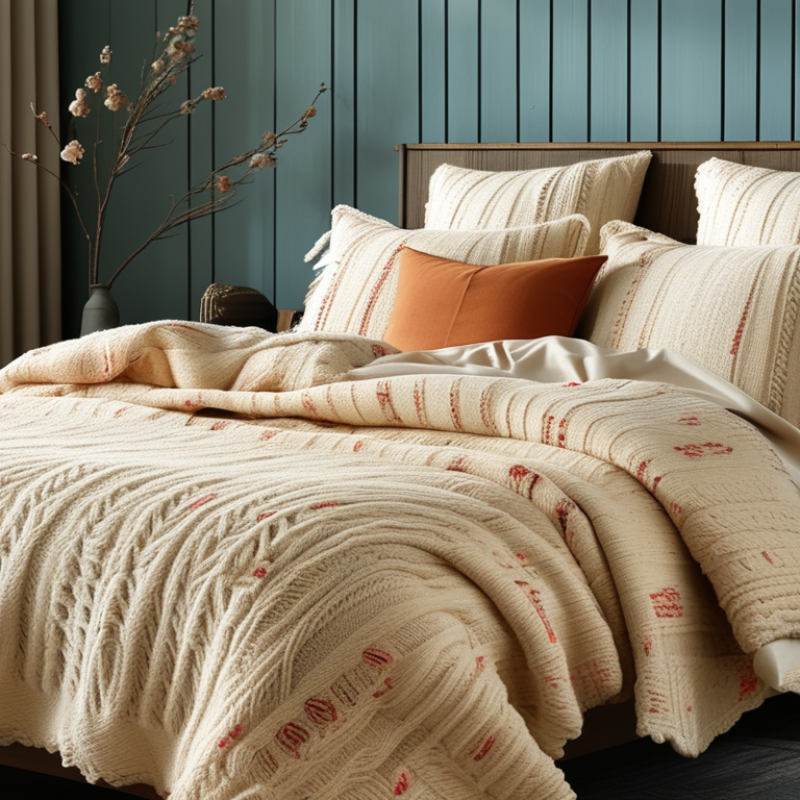
What is the Ideal Thread Count for Maximum Breathability?

Understanding Thread Count and Its Impact on Breathability

When discussing thread count, many believe higher numbers signify better quality. However, the relationship between thread count and breathability is more nuanced. Breathability refers to how well air circulates through fabric. Higher thread counts can lead to a denser fabric, which may hinder airflow. Thus, finding the right balance is essential.

For maximum breathability, a thread count between 200 and 400 typically works best. Fabrics in this range maintain comfort while allowing air to flow freely. Below 200, fabrics might feel rough or lack durability. Sometimes, higher counts above 400 may create a stifling effect. Remember, breathability isn’t just about numbers—it’s affected by the type of fibers used and how they're woven.

Tips for choosing breathable fabrics include evaluating the fiber type. Natural fibers like cotton or linen are often more breathable than synthetic alternatives. It’s also vital to pay attention to weave patterns. Percale weaves allow for better airflow compared to sateen weaves, which might feel silkier but less breathable. Ultimately, prioritize personal comfort alongside thread count for the best sleeping experience.

What is the Ideal Thread Count for Maximum Breathability? - Understanding Thread Count and Its Impact on Breathability

Thread Count Range Breathability Rating Ideal Use Case Material Type
200-400 High Sheets & Pillowcases Cotton, Linen
400-600 Moderate Luxury Bedding Sateen Cotton
600-800 Low High-End Sheets Cotton Blend
Above 800 Very Low Decoration Silk, Synthetic

The Role of Fiber Type in Determining Breathability

Choosing the right fiber type can significantly impact breathability in bedding. Natural fibers like cotton and linen excel in moisture-wicking capabilities. They allow air to flow freely, keeping sleepers cool. In contrast, synthetic fibers like polyester may trap heat. This can lead to discomfort during warmer nights. It's important to consider your personal comfort needs when selecting fabrics.

Tips: Look for fabrics labeled as “breathable.” Cotton percale or linen sheets often provide excellent airflow. When shopping, feel the texture. Softer fibers may seem luxurious but can trap heat. If you prefer silk, ensure it’s lightweight for better breathability.

Layering plays a role too. Even with the best fibers, heavy blankets can hinder airflow. Consider lighter layers for hot nights. Keep in mind that even high-quality materials can be overly dense. Test different fiber blends to find what effectively regulates temperature for you.

Optimal Thread Count Range for Breathable Bedding: 200-400

When choosing bedding, thread count plays a vital role in breathability. The optimal range of 200-400 is well-researched. This range strikes a balance between softness and airflow. Higher thread counts may feel luxurious but can trap heat. A thread count under 200 may lack durability and comfort.

Bedding within the 200-400 thread count range allows for adequate airflow. Materials like cotton or linen are great choices for this. They contribute to cooling, especially on warm nights. Consider your local climate too. If you often wake up sweaty, lean towards the lower end.

**Tips:** Always check the fiber type. Organic cotton bedsheets enhance breathability. Wash your sheets regularly; this maintains their freshness and comfort. Don't ignore your pillowcases—breathability there is equally important. Adjust your choices based on personal comfort and temperature preferences.

Comparing Breathability in Different Weave Patterns

Breathability varies significantly with different weave patterns in textiles. Plain weaves tend to trap heat, making them less breathable. On the other hand, satin weaves offer a sleek surface but may restrict airflow. Sateen weaves, known for their soft texture, can also diminish breathability compared to percale weaves, which maintain a crisp, airy quality.

When selecting bedding, consider the weave you choose. A percale weave is often preferred for hot climates due to its ability to promote airflow. Additionally, fabric weight and material play crucial roles in breathability. Lighter fabrics generally enhance airflow, allowing for a cooler sleep environment.

Tips: Always check the fabric description before making a purchase. Consider your personal comfort needs and any sensitivities to materials. Don’t overlook the importance of care instructions, as improper washing may affect fabric performance. Smooth and breathable bedding can contribute significantly to a restful night’s sleep.

How Thread Count Affects Moisture Wicking and Temperature Regulation

Breathability in bedding is essential for comfort. Thread count plays a key role in how fabrics manage moisture and regulate temperature. A higher thread count can trap heat, making it less breathable. Conversely, lower thread counts often enhance airflow, promoting a cooler sleeping environment.

When considering moisture-wicking, aim for breathable fabrics. Natural fibers like cotton and linen typically absorb sweat better than synthetic options. High thread counts can hinder this ability. Test different sheets to find your ideal balance.

Tips: Choose fabrics with a thread count between 200 and 400 for optimal breathability. Test your bedding to gauge temperature regulation. Consider rotating your sheets regularly for freshness. Striking the right balance can lead to better sleep experiences.

FAQS

: What fiber types are best for breathability in bedding?

: Natural fibers like cotton and linen excel in moisture-wicking and airflow, keeping you cool at night.

How does thread count affect bedding?

An optimal thread count of 200-400 balances softness and breathability. Higher counts can trap heat and reduce comfort.

What should I consider when selecting bedding materials?

Look for breathable labels, check textures, and prefer lighter fabrics for warm climates. Heavier fabrics can hinder airflow.

Can I use synthetic fibers for bedding?

While synthetic fibers like polyester are available, they may trap heat and cause discomfort, especially in warm conditions.

How often should I wash my bedding?

Regular washing maintains freshness and comfort. Clean pillowcases often, as they influence breathability too.

What role does layering play in bedding comfort?

Layering with heavy blankets can restrict airflow. Lighter layers are recommended for warm nights to enhance comfort.

Why is it important to consider local climate?

Your local climate affects your sleep comfort. If you often wake up sweaty, select bedding with lower thread counts for better airflow.

How do moisture-wicking properties impact sleep?

Fabrics that wick moisture, like cotton, help keep you dry and comfortable, enhancing your overall sleep experience.

Should I test different bedding materials?

Yes, testing helps find the right balance of comfort, breathability, and temperature regulation suitable for your needs.

Can high-quality materials still cause discomfort?

Even high-quality materials can be overly dense. It's essential to find the right blend for your personal comfort.

Conclusion

In exploring the question, "What is the best thread count for breathability?" it's essential to understand that thread count significantly impacts the breathability of fabrics. Generally, an optimal thread count range between 200 and 400 is recommended for breathable bedding. This range strikes a balance, ensuring comfort while allowing air circulation.

Additionally, the type of fiber used and the weave pattern also play crucial roles in determining breathability. Different weave constructions can enhance airflow, while certain fibers may improve moisture-wicking and temperature regulation, further impacting sleep quality. Therefore, when seeking breathable bedding, it’s vital to consider not just thread count, but also fiber and weave characteristics to achieve the best overall performance.

Mason

Mason

Mason is a seasoned marketing professional with a deep expertise in the company's offerings and a passion for driving brand awareness. With a strong background in digital marketing strategies, he has an innate ability to connect with diverse audiences and effectively communicate product benefits.......