How often should you change your bedding set? This question often arises for those seeking to maintain a clean and healthy sleep environment. Bedding plays a crucial role in our comfort and hygiene. Over time, sheets collect dust mites, allergens, and bodily oils, which can impact your sleep quality and health.
Regularly changing your bedding not only enhances freshness but also contributes to better well-being. While many experts recommend changing sheets weekly, lifestyle factors may influence this frequency. For instance, pet owners or those with allergies might need to wash bedding more often. Consider the materials of your bedding; certain fabrics trap dirt more than others.
Reflect on your current routine. Do you often forget to change your sheets? It’s easy to overlook. However, committing to a schedule can greatly improve your sleep hygiene. By understanding how often you should change your bedding set, you can create a more inviting and comfortable sleeping space.
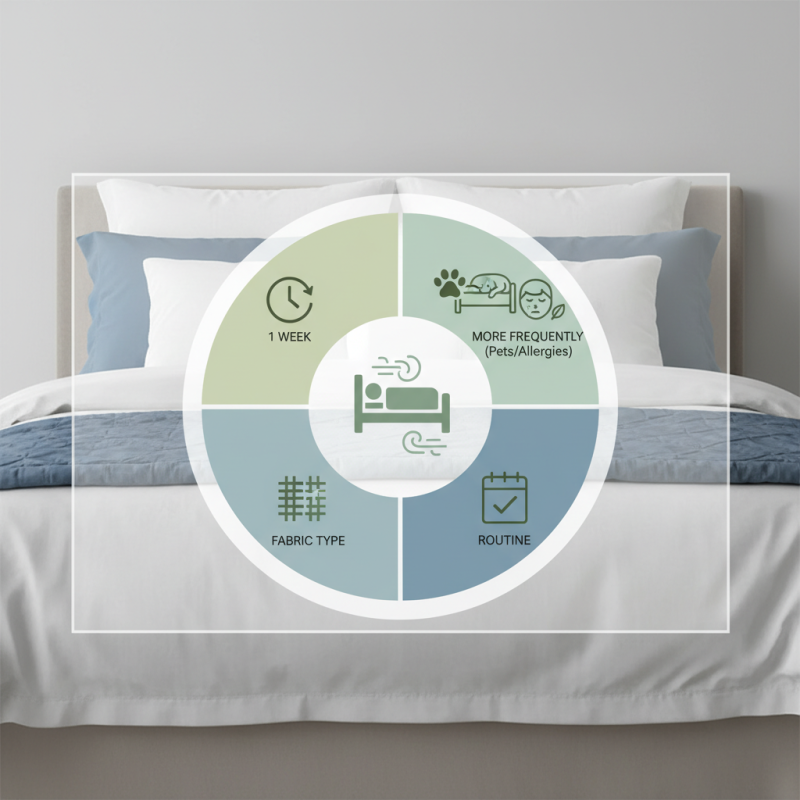
Changing your bedding regularly is crucial for maintaining optimal hygiene. Experts suggest washing your sheets at least once a week. This practice helps reduce allergens, bacteria, and dust mites. If you sweat a lot at night or have pets, consider changing them more frequently.
Tips for keeping your bedding fresh include using a mattress protector. This barrier helps keep your mattress clean and can extend its life. Washing pillowcases weekly is essential too. They accumulate oils from your skin and hair. If you notice an odor, it’s time to wash them.
Consider replacing your duvet cover monthly. It can trap allergens and dust over time. Even if you don’t see visible dirt, invisible particles can accumulate. If you have sensitive skin, you might want to wash everything biweekly. Reflecting on these practices can improve your sleeping environment significantly.
Changing bed sheets and pillowcases regularly is essential for a healthy sleep environment. Experts recommend washing your bed sheets once a week. This helps remove sweat, oils, and allergens that accumulate over time. If you have pets or allergies, you might consider washing them more frequently. Giving your bedding that fresh feel keeps your sleeping space inviting.
Pillowcases, in particular, are an area often neglected. Daily face contact makes them hotspots for bacteria. It's ideal to wash pillowcases every 3 to 4 days. Even if you may not notice stains, skin cells and oils build up. If you're diligent about your skincare routine, those products also transfer onto your pillowcase. The freshness on your pillow can significantly affect your skin health.
Always remember that everyone has different needs. Some may feel comfortable washing bedding less often. Assessing your lifestyle is crucial. Reflect on what works best for you. It’s about finding that balance between comfort and cleanliness. Each individual's situation will vary, and that’s perfectly okay.
Choosing the right bedding material greatly impacts freshness and maintenance routines. Cotton, known for its breathability, is a popular choice. However, it requires frequent washing to prevent dust mites and allergens. On the other hand, microfiber is low-maintenance. It resists stains but can trap heat, leading to discomfort.
Silk sheets offer a luxurious feel and help regulate temperature. They wick away moisture but need delicate cleaning. This may be inconvenient for some. Linen is another option, promoting airflow and resisting bacteria growth. Yet, their wrinkled appearance may not appeal to everyone.
Consider your lifestyle and maintenance preferences when selecting bedding. Balance comfort, hygiene, and upkeep. Frequent washing leads to longer-lasting freshness. Reflect on how often you want to refresh your sleep environment.
Recognizing when to replace your bedding set is crucial for maintaining a fresh and healthy sleep environment. Discomfort while sleeping can indicate that it's time for a change. If you notice fraying or fading fabric, this is a clear signal. Stains that persist despite washing also suggest a need for new bedding.
Another sign to watch out for is an unpleasant odor. If your sheets or pillowcases smell musty, it's a strong indication that bacteria or allergens have built up. Allergic reactions upon waking, such as sneezing or itching, may also point to bedding that should be replaced.
Additionally, consider the frequency of use. If you've had your bedding for several years, you might need to assess its condition. Regular changes can improve sleep quality and result in better hygiene. Acknowledging these signs can help you maintain a comfortable and healthy sleeping space. Don't overlook the importance of fresh bedding for overall well-being.
When it comes to maintaining bedding, industry standards suggest changing your sheets every week. Data from the National Sleep Foundation indicates that we spend nearly one-third of our lives in bed. This emphasizes the importance of cleanliness in our sleep environment.
Experts recommend washing pillowcases more frequently, ideally every three to four days. This practice helps reduce the buildup of oils and bacteria. According to a study published in the Journal of Environmental Health, bed linens can harbor up to 10 million dust mites and other allergens. This raises concerns for both hygiene and health.
Tips for fresh bedding: Always wash your sheets in hot water to kill bacteria. Don’t forget about your duvet and mattress protector; they should also be washed every couple of months. Consider rotating your duvet cover to allow it a break from wear. Regular changing isn't just a good habit; it's essential for your well-being. Evaluate your routine and adapt it for optimal hygiene in your sleeping space.
: Washing bed sheets once a week is recommended for a healthy sleep environment.
It's ideal to wash pillowcases every 3 to 4 days due to skin oils and bacteria build-up.
Regular washing removes sweat, allergens, and bacteria, promoting better sleep hygiene.
Look for frayed fabric, persistent stains, or unpleasant odors as signs to replace bedding.
Even without visible stains, skin cells accumulate and may affect cleanliness.
Yes, individual lifestyle differences can influence how often you wash your bedding.
Allergic reactions may suggest it's time to replace or clean your bedding.
If used regularly for several years, it may be time to assess and possibly replace your bedding.
Yes, fresh bedding contributes to better hygiene and can enhance sleep quality.
Reflect on your habits and comfort level to determine the right routine for you.
When considering "How often should you change your bedding set?", it's essential to prioritize optimal hygiene for a healthy sleep environment. Generally, it is recommended to wash your bed sheets and pillowcases weekly to reduce allergens and bacteria accumulation. However, the frequency may vary based on factors such as bedding material, which can influence maintenance requirements and overall freshness.
Additionally, be aware of signs indicating it's time to replace your bedding set, such as persistent odors, visible wear and tear, or increased allergies. Following industry standards and guidelines for bedding care can further enhance your sleeping experience. By adhering to these practices, you can ensure your bedding remains clean and comfortable while promoting better sleep hygiene.

Fancy Home