China Top 10 Warmest Bedding for a Cold Room?

Time:2026-10-23 Author:Oliver
0%

Cold bedrooms expose weak bedding quickly. A thin quilt may feel acceptable at noon, yet leave your feet cold before sunrise. This guide examines China’s top 10 warmest bedding options for genuinely chilly rooms. It considers down, wool, cotton, microfiber, fleece, and layered winter sets. Each material behaves differently against drafts, moisture, and changing indoor temperatures.

What is the warmest bedding for a cold room? The honest answer depends on insulation, loft, room humidity, and personal sleep habits. A high-fill duvet can trap impressive heat, but it may feel stuffy for warm sleepers. Wool regulates moisture well, while dense microfiber often provides practical warmth at a lower price. Construction matters too. Box-stitching, tightly woven covers, generous filling, and secure edge seams can reduce cold spots. Small details count. We will compare warmth ratings, fabric feel, washing requirements, durability, and manufacturer information. Where available, the discussion will refer to product specifications and recognized textile testing principles, rather than attractive claims alone. Still, no ranking is perfectly universal. My own experience suggests that a warm mattress layer and sealed window can change the result dramatically. Some recommendations may need reconsideration in humid homes. The best choice should feel warm, breathable, washable, and dependable throughout a long winter night.
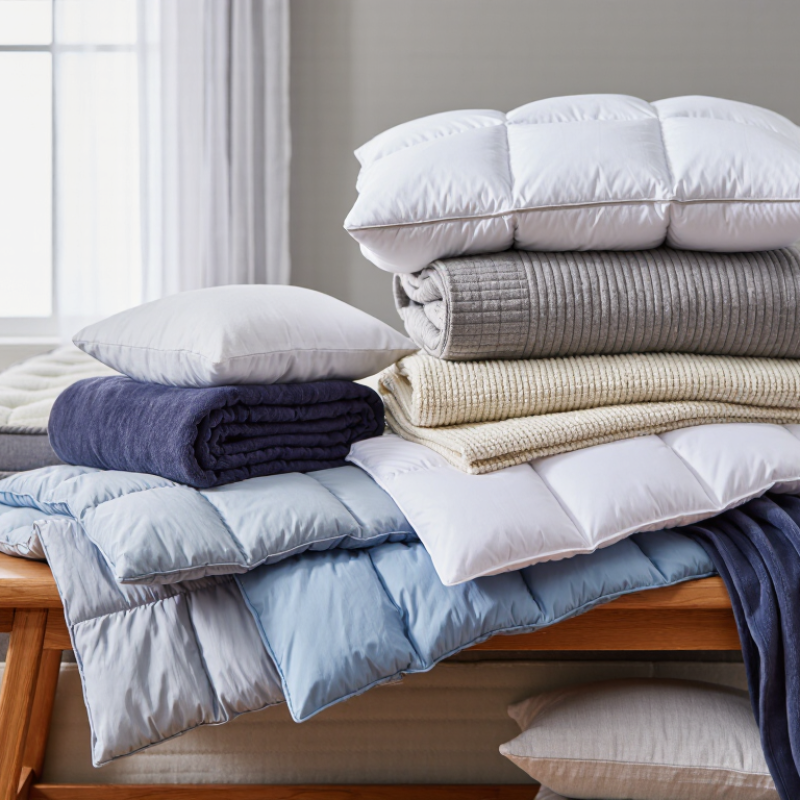
China Top 10 Warmest Bedding for a Cold Room?

How to Choose the Warmest Bedding for a Cold Room

China Top 10 Warmest Bedding for a Cold Room?

Choosing warm bedding starts with the room, not the label. Measure the bedroom temperature at night. A cold room below 16°C needs more than a thick-looking quilt. Check the filling weight, insulation level, and breathability. Down offers excellent warmth with low weight, while wool feels warmer in damp conditions. Cotton flannel sheets can reduce the sharp chill against your skin. For very cold rooms, combine a fitted thermal sheet with a medium-weight quilt and a washable blanket.

Do not judge warmth by thickness alone. A fluffy comforter may contain little filling. Look for even stitching, secure edges, and clear material information. A higher fill power usually means better insulation, but total filling weight also matters. Side sleepers may need extra coverage around the shoulders and feet. A quilt measuring 220 by 240 centimeters often suits a shared bed, but confirm the mattress size first.

I once chose a heavy blanket that felt warm for ten minutes, then became uncomfortable and damp. That mistake changed my priorities. Warm bedding should trap heat without causing sweating. Check whether the fabric feels breathable and easy to wash. In China’s humid winter regions, quick-drying materials can be more practical than very dense ones. Keep a small gap between the bed and a cold outside wall. It helps, though not perfectly.

Top 10 Warmest Bedding Types Made in China

For a cold room, China-made bedding offers many practical insulation choices. The top ten warmest types include down comforters, wool quilts, sherpa blankets, flannel comforters, and high-GSM microfiber duvets. Other useful options are cotton-filled quilts, fleece blankets, silk-wool quilts, quilted mattress toppers, and electric blankets with overheat protection.

Down holds warm air well but needs careful loft and moisture control. Wool regulates temperature and feels less clammy during long nights. Sherpa and fleece provide immediate softness, while flannel feels warmer against the skin. High-GSM microfiber is affordable and easy to wash, although it can feel less breathable.

Cotton-filled quilts suit people who dislike slippery fillings. Silk-wool quilts feel lighter, but they may not satisfy sleepers wanting heavy insulation. In product inspections, I check fill weight, fabric density, edge stitching, and washing instructions. A thick blanket is not always warmer. Poor stitching can create cold gaps. My own mistake was judging warmth by weight alone.

Tips: Match the bedding to room humidity and personal sleep habits. For a room below 15°C, layer a wool quilt over a down or microfiber duvet. Use a fitted mattress topper because cold often rises from the bed surface. Choose electric bedding only after checking wiring, temperature controls, and safety documentation. Wash and dry every layer fully. Damp filling loses warmth quickly.

Key Materials That Improve Bedding Warmth and Insulation

For a cold room, bedding warmth depends on materials, loft, and moisture control. Wool blankets provide natural insulation because their fibers trap warm air. Down offers excellent warmth with light weight, but its performance drops when damp. Wool or synthetic-filled comforters may suit sleepers who need steadier insulation.

Flannel cotton feels warm because its brushed surface holds small air pockets against the skin. Fleece is lighter and dries quickly, although it can feel less breathable during the night. Cotton percale is crisp but not especially warm. Silk adds gentle insulation and manages moisture, while layered cotton quilts offer flexible heat control. A tightly woven cover also reduces drafts.

Tips: Check the filling weight, not only the advertised warmth. Place a wool blanket over a breathable comforter. Use flannel sheets when the room feels chilly. Avoid sealing damp bedding in storage. It may develop odors or mildew.

I once preferred the heaviest comforter available, but it caused overheating before dawn. That experience changed my choice. Warmth is not simply about thickness. A cold sleeper may need higher loft, while a restless sleeper may prefer breathable layers. Room humidity, mattress insulation, and sleepwear also affect results. Even excellent bedding can feel cold on an uninsulated mattress.

China Top 10 Warmest Bedding for a Cold Room? - Key Materials That Improve Bedding Warmth and Insulation

A practical comparison of bedding materials and constructions for improving warmth, loft, insulation, and comfort in cold bedrooms.

Rank Bedding Material or Construction Primary Insulating Mechanism Warmth Potential Moisture and Breathability Weight and Loft Best Cold-Room Application Important Care Consideration
1 Goose Down Comforter Natural fill Fine down clusters trap a large volume of still air relative to their weight, creating high thermal resistance. Very High Breathable and moisture-responsive, but down can lose loft when it becomes damp. Very light with exceptional loft; fill power is a key indicator of insulation efficiency. Cold rooms where maximum warmth with minimum weight is preferred. Use a breathable cover and dry thoroughly; professional cleaning is often recommended.
2 Duck Down Comforter Natural fill Down clusters provide air-trapping loft and reduce heat loss through conduction and convection. Very High Generally breathable, although moisture can compress the down and reduce insulation. Lightweight and lofty; usually offers a lower-cost alternative to premium goose down. Cold bedrooms requiring a warm, light comforter. Keep dry, air regularly, and avoid compressing the comforter for long periods.
3 Wool Quilt or Wool Duvet Natural fiber Crimped wool fibers trap air while the fiber structure helps moderate heat and humidity. High Excellent moisture buffering and naturally breathable; wool can absorb vapor without feeling immediately wet. Medium to heavy weight with moderate loft and a dense, cozy feel. Cold and changeable rooms, especially for sleepers who tend to feel clammy. Air frequently; follow the care label because excessive washing or heat may cause shrinkage or felting.
4 Alpaca Fiber Bedding Natural fiber Fine, hollow or semi-hollow fibers create insulating air spaces while remaining relatively light. High Breathable and capable of managing moisture better than many dense synthetic fills. Light to medium weight with soft loft and a smooth hand feel. Cold rooms where warmth, softness, and lower bulk are desired. Use gentle cleaning methods and protect from prolonged compression and excessive heat.
5 Silk-Filled Comforter Natural filament fiber Continuous silk fibers form a breathable insulating layer that helps reduce direct heat transfer. High Highly breathable and comfortable across temperature changes, but less moisture-tolerant than wool. Light to medium weight with a flatter, less lofty profile than down. Cool-to-cold rooms for sleepers who want warmth without a puffy comforter. Protect with a duvet cover; many silk-filled products require professional or specialized cleaning.
6 Hollow-Fiber Polyester Comforter Synthetic fill Hollow or spiral-shaped polyester fibers create air pockets that slow heat transfer. High Less moisture-absorbent than natural fibers and may feel warmer or less breathable for some sleepers. Medium to heavy weight; loft can be engineered for different warmth levels. Cold rooms needing an affordable, washable, and allergy-conscious option. Machine-wash only when permitted; dry completely to prevent odor and fill clumping.
7 Microfiber Polyester Comforter Synthetic fill Fine fibers create a dense web of small air spaces and provide consistent coverage. High Quick-drying and low-absorbency, but generally less moisture-buffering than wool or cotton. Medium weight with a smooth, compact loft and good drape. Cold rooms where easy maintenance, low allergen retention, and value are priorities. Wash according to the label and avoid excessive heat, which may damage fine fibers.
8 Cotton Flannel Duvet or Blanket Brushed cotton Brushed surface fibers increase thickness and trap additional air near the body. Medium-High Breathable and moisture-absorbent, although damp cotton dries more slowly than synthetic fibers. Medium to heavy weight with low to moderate loft. Layering over a warmer duvet or adding surface warmth in moderately cold rooms. Wash before use if desired; tumble drying may cause shrinkage unless the fabric is pre-shrunk.
9 Wool-Filled Mattress Topper Insulating layer Adds an insulating air layer between the sleeper and mattress, reducing conductive heat loss below the body. Medium-High Wool helps manage humidity and remains breathable under the body. Medium weight with moderate cushioning and low-to-medium loft. Cold rooms where the mattress feels cold or heat is lost through the bed base. Rotate and air regularly; use a washable protector and avoid soaking the wool fill.
10 Layered Bedding System Combination approach Multiple layers create separate air gaps and allow insulation to be adjusted for changing temperatures. Medium-High to Very High Breathability depends on the selected layers; natural fibers can improve moisture management. Variable weight and loft; usually more adaptable than a single thick blanket. Very cold or poorly heated rooms where flexible temperature control is needed. Combine a breathable base layer, insulating middle layer, and tightly woven outer layer; avoid excessive compression.

Selection note: Actual warmth depends on fill amount, fill power or loft, fabric density, construction, room temperature, mattress insulation, and personal sleep preferences. In a cold room, reducing drafts and adding an insulating mattress layer can improve comfort as much as choosing a warmer top cover.

How to Compare Warmth, Comfort, Breathability, and Durability

For a cold room, the ten strongest bedding choices are down duvets, wool duvets, alpaca blankets, wool blankets, cashmere throws, silk duvets, cotton flannel sheets, fleece blankets, microfiber comforters, and layered cotton quilts. “Warmest” is not a fixed ranking. Fill weight, loft, stitching, and room humidity change the result. The International Down and Feather Laboratory evaluates down through fill power, but higher fill power alone cannot guarantee comfort. A thin, poorly fitted duvet may lose heat around the shoulders.

Compare warmth through insulation first. Compare comfort through softness, weight, and noise. Compare breathability through fiber structure and moisture management. The National Sleep Foundation commonly suggests bedroom temperatures near 60–67°F for adult sleep. ASHRAE Standard 55-2023 also shows that thermal comfort depends on humidity, air movement, clothing, and activity. Wool can buffer moisture effectively, while tightly woven microfiber often feels warmer but less airy. Silk feels light and smooth, yet may need layering in very cold rooms.

Durability needs evidence, not attractive labels. Textile Exchange’s Materials Market Report 2024 states that polyester represented roughly 57% of global fiber production in 2023. Its resilience explains microfiber’s repeated-use appeal, although pilling and trapped heat remain concerns. Check seam strength, washing instructions, shrinkage, and fabric weight. I would choose wool or down for deep winter, but my preference is imperfect: wool can feel scratchy, and down may disturb sensitive sleepers. A test night matters more than a product photograph.

How to Select the Best Warm Bedding for Different Cold Rooms

China Top 10 Warmest Bedding for a Cold Room?

Choosing warm bedding starts with the room, not the product label. WHO’s Housing and Health Guidelines identify 18°C as a reasonable minimum indoor temperature for general health. Measure the room first. Use a thermometer beside the bed, away from heaters and windows. A dry 16°C room may feel manageable, while a damp room can feel sharply colder.

For rooms around 15–18°C, select a breathable wool, down, or high-quality synthetic-filled duvet. Wool suits sleepers who feel clammy because it manages moisture well. Down offers strong insulation with less weight, but it needs a dry environment and regular airing. For rooms below 15°C, combine a medium duvet with a washable blanket or fleece layer. Do not rely on one extremely thick quilt. It can trap moisture, flatten unevenly, and create cold gaps near the shoulders.

Look for tested thermal resistance, filling weight, construction, and washing instructions. ISO 23537 provides a recognized thermal-testing approach for sleeping insulation, although it mainly covers sleeping bags. Textile Exchange’s Materials Market Report 2024 shows synthetic fibers dominate global production, so fiber type alone cannot prove warmth. The International Energy Agency reports that buildings consume about 30% of global final energy. Better bedding may reduce heating demand, but comfort should not become a guessing game. The uncomfortable lesson is simple: the warmest bedding for one cold room may feel excessive in another.

China Top 10 Warmest Bedding Options for a Cold Room

The chart compares typical duvet and bedding warmth using TOG values, a standard measure of thermal resistance. Higher TOG generally indicates greater insulation. A 13.5 TOG winter duvet is commonly selected for very cold bedrooms, while layered bedding can provide similar warmth to a single high-TOG duvet. Actual comfort also depends on room temperature, humidity, personal preference, filling quality, and mattress insulation.

FAQS

Which bedding materials provide the most warmth in a cold room?

Down, wool, sherpa, flannel, fleece, and high-GSM microfiber provide strong insulation.

Is a heavier comforter always warmer?

No. Loft, fill weight, stitching, and moisture control matter more than weight alone.

How does down bedding retain heat?

Down traps warm air inside its soft structure.

Why might someone choose wool bedding?

Wool traps air and helps manage moisture during long nights.

Are flannel sheets and fleece blankets suitable for chilly rooms?

Yes. Flannel feels warm against the skin because its brushed surface holds small air pockets.

Is microfiber bedding a practical winter choice?

High-GSM microfiber is affordable, durable, and easy to wash.

How can bedding layers improve warmth below 15°C?

Place a wool quilt over a breathable down or microfiber duvet.

What should shoppers check before buying warm bedding?

Check fill weight, fabric density, seam strength, edge stitching, and washing instructions.

How can sleepers prevent damp bedding from losing warmth?

Dry every layer completely before storage or reuse.

What safety points matter when using electric bedding?

Check wiring, temperature controls, automatic shutoff, and safety documentation.

Conclusion

Choosing the right bedding for a cold room requires more than simply selecting the thickest blanket. The article explains how to compare warmth, comfort, breathability, and durability while considering room temperature, humidity, personal sleeping habits, and bed size. It introduces the top 10 warmest bedding types made in China, including down-style comforters, wool quilts, cotton-filled blankets, flannel bedding, fleece layers, and innovative insulated materials. Each option offers a different balance of heat retention, softness, weight, moisture control, and long-term performance.

What is the warmest bedding for a cold room? In most cases, the best choice is a well-insulated comforter or quilt combined with breathable, soft sheets and suitable layering. Key materials such as natural wool, high-quality cotton, dense microfiber, and responsibly processed down alternatives can improve insulation without causing excessive overheating. The article also explains how to select bedding for especially cold bedrooms, damp rooms, poorly insulated spaces, and homes with changing seasonal temperatures.

Oliver

Oliver

Oliver is a seasoned marketing professional with a wealth of expertise in driving brand awareness and engagement. With a deep understanding of our company's product offerings, he consistently delivers high-quality content that enriches our professional blog. His insights not only shed light on......