Why Does My Bedding Pill After Washing and How to Prevent It?

Time:2026-03-20 Author:Henry
0%

Do you ever wonder, "Why does my bedding pill after washing?" This common issue frustrates many of us. Bedding, which should provide comfort, often becomes less appealing after a wash. You look forward to fresh sheets, but instead, you find unsightly fabric pills. These little balls ruin the fabric's smoothness and texture.

Pilling occurs due to friction during the wash cycle. This is especially true for lower-quality fabrics. If your bedding is made from materials like polyester or blends, it may be more prone to pilling. While it's tempting to shift blame to the washing machine or detergent, the real issue often lies with the fabric itself.

To prevent pilling, consider investing in higher-quality sheets. It’s also wise to wash bedding inside out. This practice reduces friction on the outside surface. However, many don’t realize these tips until it's too late. Reflecting on our choices can lead to better bedding experiences in the future.
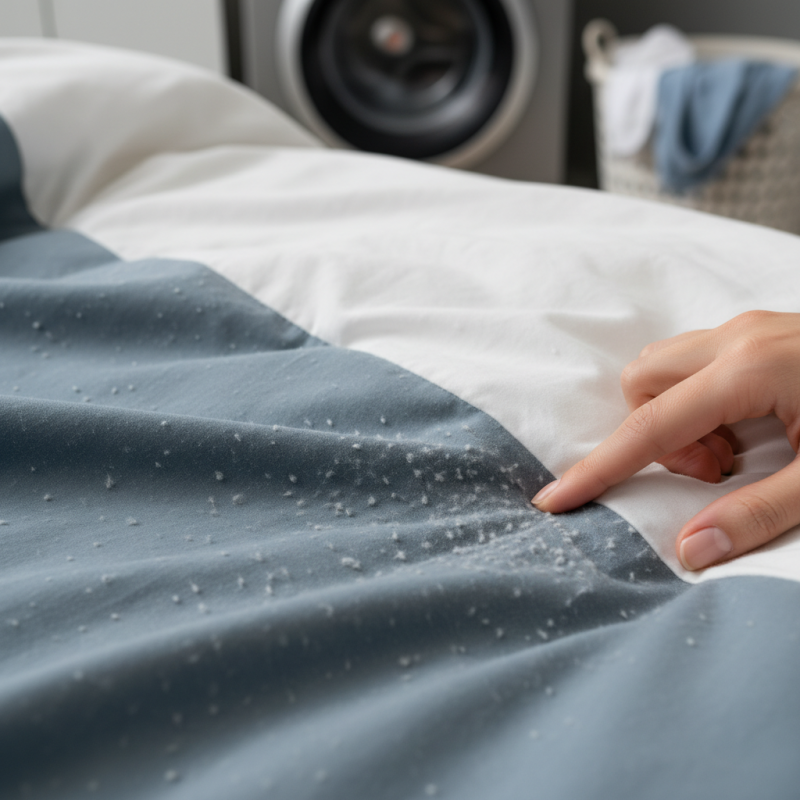
Why Does My Bedding Pill After Washing and How to Prevent It?

Understanding the Causes of Bedding Pilling After Washing

Bedding pilling can be a frustrating issue. Understanding its causes can help you tackle the problem effectively. Pilling occurs when fabric fibers break or tangle together. This often happens during washing due to friction. The agitation in washing machines can stress the fabric. As a result, tiny balls of fluff form on the surface.

Certain materials are more prone to pilling. For instance, synthetic fibers tend to pill more than natural ones. Washing bedding on high heat or with rough fabrics can exacerbate this issue. Washing with towels or blankets could be problematic too. The combination creates more friction, leading to increased pilling. Sometimes, even a gentle wash can lead to unexpected results.

To minimize pilling, consider a few simple steps. Wash bedding separately from other items. Use a delicate cycle with cold water for best results. Air drying is often gentler than tumbling in a dryer. If you notice pilling, it’s essential to remove those pills carefully. Using a fabric shaver can smoothen the surface again. Regular maintenance can help maintain the quality of your bedding. Reflect on your washing habits to find a better routine.

Common Fabrics Susceptible to Pilling in Bedding Materials

Certain fabrics are more prone to pilling, especially in bedding materials. Cotton, for instance, is a common choice for sheets and pillowcases. While it offers softness, it is also susceptible to pilling. According to a report by the Textile Research Journal, cotton fibers can break and tangle when subjected to friction during washing or even while sleeping. This leads to the formation of small balls of fiber, known as pills.

Polyester blends are another material often found in bedding. While they resist wrinkling and drying quickly, they can also pill over time. A study published in the Journal of Applied Polymer Science found that synthetic fibers create more friction and tend to clump together, forming pills. In a typical bedding set, as much as 30% of the polyester fibers may contribute to pilling after multiple washes. This can be frustrating, especially as we look for long-lasting comfort in our bedding.

Flannel sheets, often favored in colder months, are also at risk. The napped surface of flannel can trap debris and lead to pilling after washing. Even high-quality flannel can develop imperfections. As time passes, the fibers wear down, creating an uneven texture. This pilling may indicate the material's aging, which many overlook when seeking the perfect bedtime comfort. Being aware of these fabric characteristics can help in choosing the right bedding and maintaining its appearance.

Best Washing Practices to Prevent Bedding Pilling

Bedding can pill after washing, and it’s frustrating. To prevent this, focus on your washing practices. Use a gentle cycle. It helps reduce friction. High-speed spins create more pilling. Wash your bedding separately. This keeps it from rubbing against other fabrics.

Use cold water when washing your sheets. Hot water can weaken fibers. This makes them more prone to pilling. Choose a mild detergent as well. Harsh chemicals can damage your bedding over time. Avoid fabric softeners; these can leave residues that lead to pilling.

Dry on low heat or air dry. High heat can cause fibers to break down. Check your bedding regularly for signs of pilling. It’s a simple way to catch issues early. Consider using a fabric shaver to remove any pills you find. Taking these steps can help maintain the quality of your bedding.

Fabric Types and Their Pilling Resistance After Washing

Choosing the Right Detergents and Fabric Softener for Bedding

Choosing the right detergents and fabric softener is crucial for your bedding. Different fabrics react differently to cleaning agents. For cotton sheets, a gentle detergent works wonders. It lifts dirt without damaging fibers. However, for synthetic materials like microfiber, you might need a stronger formula. Always check the label for compatibility.

Fabric softeners can enhance the feel of your bedding. Yet, using too much can lead to buildup on fibers. This buildup is a common culprit for your bedding pilling. It’s essential to use the recommended amount. Sometimes, skipping the softener altogether may yield better results. Instead, consider alternatives like wool dryer balls to soften fabrics naturally.

Pay attention to the wash cycle as well. A gentle cycle is often best for bedding. High agitation can lead to friction, which causes pilling. Also, washing bedding separately from heavier items is wise. Heavy fabrics can rub against your sheets and cause damage. Each detail matters in preserving the quality of your bedding.

Tips for Removing Existing Pilling from Bedding Fabrics

Bedding can pill after washing, leaving those unsightly balls of fabric. These tiny clusters not only look unappealing but can also make your bedding uncomfortable. If you’ve already seen pilling, fear not. There are practical methods to tackle it effectively.

One simple way to remove pilling is by using a fabric shaver. These devices gently trim away the pills. Move slowly to avoid damaging the fabric. Alternatively, you can use a lint roller. Just roll it over the affected area to lift those pesky pills away. For a DIY option, a fine-toothed comb works well. Comb in one direction to minimize damage while removing the pilling.

Using the right washing techniques can also prevent further pilling. Wash on a gentle cycle and avoid high heat. Air drying is preferable to using a dryer, which can cause friction. Be mindful of the materials you mix when washing. Different fabrics can create more friction and lead to more pilling. Taking these steps can help maintain the look and feel of your bedding.

FAQS

: What causes bedding pilling after washing?

: Bedding pilling occurs when fabric fibers break or tangle during washing, mainly due to friction in the machine.

Are certain fabrics more prone to pilling?

Yes, synthetic fibers typically pill more than natural ones. Mixing them with rough fabrics can increase the issue.

How can I minimize pilling on my bedding?

Wash bedding separately and use a delicate cycle with cold water. This approach helps reduce friction and pilling.

Should I use fabric softener on my bedding?

Use fabric softener sparingly. Too much can cause buildup, leading to more pilling on your fabrics.

What’s the best way to dry bedding to avoid pilling?

Air drying is gentler on fabrics. If using a dryer, set it on low heat to prevent damage to fibers.

How can I fix pilling that has already occurred?

Carefully remove pills using a fabric shaver. Regular maintenance can keep your bedding looking smooth and fresh.

Is washing in hot water harmful to bedding?

Yes, hot water can weaken fibers, making them more susceptible to pilling. Always opt for cold water when washing.

Why is it important to wash bedding separately?

Washing bedding separately prevents it from rubbing against heavier fabrics, which can damage fibers and cause pilling.

What type of detergent should I use for bedding?

A gentle detergent is best for cotton sheets. For synthetic materials, choose a stronger formula, if necessary.

How often should I check my bedding for pilling?

Regular checks are essential. Identifying pilling early helps you maintain the quality of your bedding over time.

Conclusion

Bedding pilling after washing can be a frustrating issue, leaving you wondering, "Why does my bedding pill after washing?" Understanding the causes of bedding pilling is essential, as it often results from friction during washing or the types of fabrics used. Common materials such as cotton and polyester blends are particularly susceptible to this problem.

To prevent pilling, it's vital to adopt best washing practices, including using a gentle cycle, washing in cold water, and avoiding overcrowding the machine. Selecting the right detergents and fabric softeners can also make a significant difference in maintaining the integrity of your bedding. For existing pilling, timely removal can be achieved through tools like fabric shavers or by carefully hand-picking the pills to restore the smoothness and comfort of your linens.

Henry

Henry

Henry is a dedicated marketing professional with a profound expertise in the company's offerings. With years of experience in the industry, he possesses an impressive understanding of the market dynamics and consumer behaviors that drive success. Henry is committed to sharing his insights through......