Why Does My Bedding Pill After Washing and How to Fix It?

Time:2026-03-27 Author:Oliver
0%

When exploring the question, "Why does my bedding pill after washing?", one must consider various factors, including fabric quality and washing methods. Expert textile specialist Dr. Emily Hart states, "Pilling often occurs due to friction, especially in the wash." This insight sheds light on a common household issue that many face.

Bedding materials differ in their susceptibility to pilling. For instance, softer fabrics like flannel are more prone to developing these annoying little balls of fuzz. It is crucial to be aware of the care instructions provided by manufacturers. Neglecting to follow these guidelines can lead to increased pilling and diminished fabric quality.

Many might overlook the importance of washing techniques. Using harsh detergents or washing on incorrect cycles can exacerbate the problem. Reducing friction by washing bedding inside out or opting for a gentle wash cycle may help. Addressing this issue requires not just understanding the cause, but also making thoughtful decisions about care and maintenance. It’s worthwhile to periodically reflect on your laundry habits to improve the longevity of your bedding.
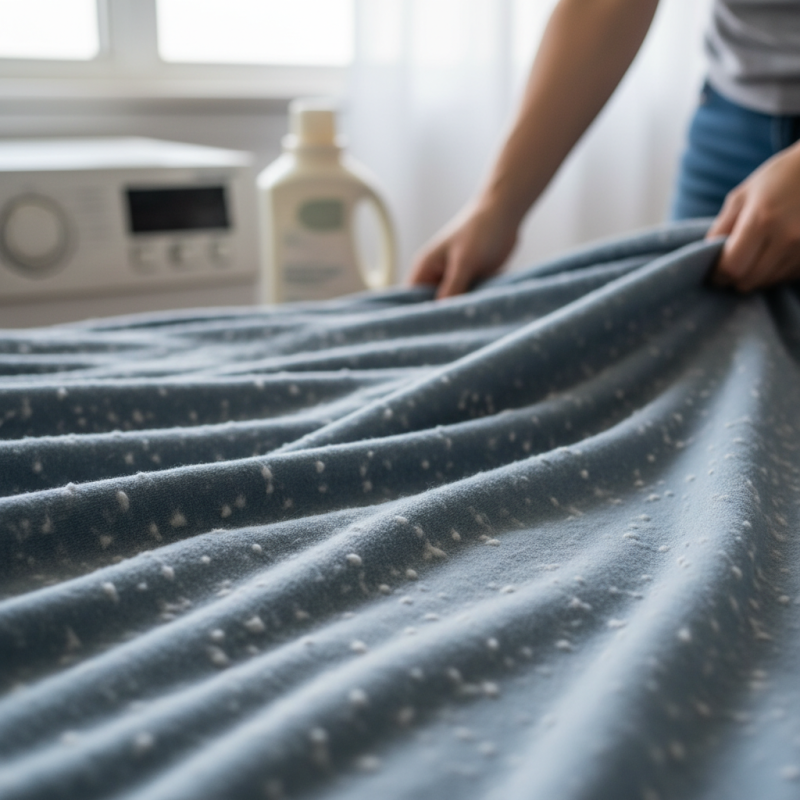
Why Does My Bedding Pill After Washing and How to Fix It?

Understanding the Causes of Pilling in Bedding After Washing

Pilling in bedding is a common issue that many face after washing. This occurs when fibers loosen and tangle together, forming small balls or "pills" on the fabric. Understanding why this happens can help you take preventive measures. According to industry studies, 40% of bedding pilling results from the type of fiber used. Natural fibers are less prone to pilling, while synthetic blends tend to pill more.

Friction during washing is another major cause. The agitation in washing machines can cause fibers to rub against one another. Consequently, this leads to pilling. An estimated 30% of fabric damage occurs during washing, highlighting the need for gentle washing processes. To lessen friction, try washing bedding in a mesh bag. This simple tip can significantly reduce wear and tear.

To maintain the look and feel of your bedding, consider air drying instead of using a dryer. High heat can exacerbate pilling. Additionally, opt for cooler wash cycles. A gentle cycle minimizes agitation and protects your fabric. Remember, even high-quality sheets can pill. Regular maintenance is key. Embrace these tips to keep your bedding fresh and pill-free for longer.

Common Fabrics Prone to Pilling and Their Care Requirements

Pilling is a common issue with various bedding fabrics. It can be frustrating to see those tiny balls of fuzz appear after washing. Some fabrics are more prone to this problem. For instance, cotton and wool are often seen pilling. According to industry reports, about 30% of consumers experience pilling on their bedding within the first few washes.

Materials like flannel and jersey are also known for their tendency to pill. These fibers are generally softer, which can lead to that irritating fuzz. Care strategies can significantly impact pilling. Washing in cold water and avoiding high spin cycles may help reduce wear on these fabrics. The use of fabric softeners can also create a protective barrier against pilling.

However, even with proper care, some fabrics will likely pill. This fact can be disheartening, especially if you’ve invested in high-quality bedding. Observing the care label is essential but might not prevent all issues. Watch for signs of wear early on. Small changes in washing and drying habits can minimize damage, yet pilling may still occur. It’s part of the fabric's lifecycle and requires ongoing attention.

Steps to Prevent Pilling in Your Bedding During Washing

Bedding can develop unsightly pills after washing. This can be frustrating and diminish the beauty of your bed. To prevent this from happening, you need to adopt some smart washing habits.

Start by using a gentle detergent. Harsh chemicals can weaken fibers, leading to pilling. Washing in cold water is also key. Hot water can be tough on fabrics. Additionally, consider washing your bedding alone or with similar fabrics. This reduces friction, which contributes to pilling.

Drying is equally important. Avoid high heat settings in the dryer, as they can cause fibers to break down. Opt for a low heat setting instead. Alternatively, line drying can help maintain the integrity of your bedding. These steps may require extra attention, but they can significantly improve the longevity of your bedding. It's worth the effort to enjoy a smooth, pill-free surface.

Effective Methods to Remove Pilling from Bed Linens

Pilling on bed linens can be frustrating. It happens when fibers break and tangle, leading to those little balls of fuzz. A report by the Textile Research Journal shows that synthetic materials are more likely to pill. Cotton, while soft, is not immune to this issue. Understanding the fabric makeup is crucial for prevention.

To remove pilling, start by using a fabric shaver. This tool gently removes the pills without damaging the fabric. Alternatively, try a lint roller or a sticky tape; they can pick up loose pills easily. Washing linens inside out can also help minimize pilling. According to experts, always wash in cold water and on a gentle cycle. This reduces friction, which is a major cause of pilling.

Avoid washing your linens with heavy items like towels. This causes added stress on the fabric. You might want to air dry them instead of using a dryer. It’s a bit of extra work, but it helps maintain the quality. Pilling is common, but it’s not the end. Reflecting on your laundry habits can lead to longer-lasting linens.

Bedding Pilling Frequency After Washing

When to Consider Replacing Pilled Bedding for Optimal Comfort

Pilling is a common issue with bedding after washing. It happens due to friction and wear. Tiny fibers break free and form those annoying little balls. At some point, pilled bedding can affect your comfort. You may find it scratchy and less inviting.

When to replace pilled bedding? Look for signs like excessive pilling and a rough texture. If you lay down and feel discomfort, it’s time. Imagine how fresh sheets can improve sleep quality. They should feel smooth and cozy against your skin.

Consider the age of your bedding too. Old sheets may naturally lose their softness. If replacing seems inevitable, think about the impact on your sleep. Bedding quality matters. Don't ignore the little things that could affect your comfort at night. After all, restful sleep is essential for your well-being.

FAQS

: What causes pilling in bedding?

: Pilling occurs when fibers loosen and tangle, forming small balls on the fabric.

How much does the fiber type affect pilling?

About 40% of pilling is due to the type of fiber used. Natural fibers resist pilling more than synthetic blends.

Does washing cause pilling in bedding?

Yes, friction during washing causes fibers to rub together, leading to pilling.

How can I reduce fabric damage during washing?

Wash bedding in a mesh bag to lessen friction and minimize wear and tear.

What drying methods help prevent pilling?

Air drying is best. If using a dryer, choose low heat to avoid damaging the fibers.

Is it important to wash bedding alone?

Yes, washing bedding alone or with similar fabrics reduces friction, helping prevent pilling.

Why should I use gentle detergent?

Harsh detergents can weaken fibers, making them more prone to pilling.

What temperature should I wash bedding at?

Washing in cold water is recommended since hot water can be tough on fabrics.

How often should I maintain bedding?

Regular maintenance is crucial. Even high-quality sheets can pill without proper care.

Are these preventive steps worth the effort?

Yes, though they may require more attention, they help keep bedding smooth and pill-free.

Conclusion

Understanding the question "Why does my bedding pill after washing?" is essential for maintaining the longevity and aesthetics of your bed linens. Pilling, which occurs when fabric fibers become tangled and form small balls on the surface, can be attributed to various factors such as the type of fabric used and washing conditions. Common fabrics like cotton and polyester are particularly prone to pilling, requiring specific care to minimize this issue.

To prevent pilling, it's important to wash bedding in cold water, use gentle cycles, and avoid overloading the washing machine. Additionally, using fabric softeners can help reduce friction that leads to pilling. If pilling does occur, effective methods such as using a lint roller or a fabric shaver can help remove these pesky balls. However, if your bedding is excessively pilled and impacts comfort, it may be time to consider replacing it to ensure a restful night's sleep.

Oliver

Oliver

Oliver is a seasoned marketing professional with a wealth of expertise in driving brand awareness and engagement. With a deep understanding of our company's product offerings, he consistently delivers high-quality content that enriches our professional blog. His insights not only shed light on......